 +91 9961 173 300
 info@vmchospital.com

 +91 9961 173 300
 info@vmchospital.com

Blogs

What Is Secondary Infertility?
Sep 28 | 2026 Admin
You've already had one child - so why is it suddenly so hard to conceive again? Secondary infertility catches many couples off guard, and it's more common than most people realize: some clinical estimates suggest it accounts for roughly half of all infertility cases seen at fertility clinics.
This guide breaks down secondary infertility in clear, authoritative terms - why it happens, who's most at risk, when to seek help, and what treatment actually looks like - so you can move from confusion to a clear next step.
Quick Answer
Secondary infertility is the inability to conceive or carry a pregnancy to term after previously giving birth to at least one biological child, typically diagnosed after 12 months of trying (or 6 months if the woman is over 35) without success. It can affect either partner and often stems from age-related changes, complications from a prior delivery, or a newly developed health condition.
Table of Contents
- What Is Secondary Infertility?
- Why Does Secondary Infertility Happen?
- What Are the Symptoms of Secondary Infertility?
- Who Is at Risk of Secondary Infertility?
- When Should You Seek Help for Secondary Infertility?
- Where Does Secondary Infertility Diagnosis Begin?
- How Is Secondary Infertility Treated?
- What Are the Pros and Cons of Treatment Approaches?
- Key Takeaways
- FAQs
- Conclusion
Key Takeaways
- Secondary infertility means difficulty conceiving or carrying a pregnancy to term after previously having at least one biological child.
- It's surprisingly common - some clinical estimates suggest it accounts for roughly half of infertility cases seen in clinics.
- Common secondary infertility causes include age-related decline, scarring from a prior delivery, and new male-factor issues.
- Many couples delay seeking help simply because a previous pregnancy makes the diagnosis feel unlikely - this assumption can cost valuable time.
- The standard diagnostic workup mirrors primary infertility: ovarian reserve testing, semen analysis, and imaging of the uterus and tubes.
- Secondary infertility treatment ranges from lifestyle changes to IUI, IVF, or surgery, depending on the underlying cause.
What Is Secondary Infertility?
Secondary infertility is defined as the inability to conceive or carry a pregnancy to term after previously giving birth to at least one biological child, typically after trying for 12 months (or 6 months if the woman is over 35) without success. It can affect couples with the same partner as before, or a new partner, and doesn't require any fertility issues to have existed during the first pregnancy.
Expert Insight: "Secondary infertility is one of the most under-recognized fertility issues I see. Couples often wait far too long because 'we already have a child' makes the diagnosis feel unlikely - but fertility factors can change significantly in just a few years." - Dr. Vijayalakshmi G Pillai, Chief Gynecologist, Obstetrician, Infertologist & Laparoscopic Surgeon, 20+ years of experience.
Why Does Secondary Infertility Happen?
Secondary infertility causes generally fall into a few recognizable categories:
- Age-related decline - even a few years between pregnancies can meaningfully reduce egg quantity and quality, especially past 35.
- Complications from a previous delivery - scarring from a C-section, uterine adhesions (Asherman's syndrome), or pelvic infections.
- New male-factor issues - declining sperm quality due to age, health conditions, or lifestyle changes since the last pregnancy.
- Weight changes - significant weight gain or loss affecting hormonal balance.
- New or progressed gynecological conditions - endometriosis, fibroids, or PCOS that developed or worsened over time.
- Tubal blockage - from past infections or surgery.
- New health conditions - including thyroid disorders, diabetes, or elevated stress levels.
What Are the Symptoms of Secondary Infertility?
Secondary infertility often has no dramatic symptoms - the main sign is simply the absence of pregnancy after a reasonable period of trying. That said, a few changes are worth paying attention to:
- Periods that have become irregular, heavier, or noticeably more painful since your last pregnancy.
- Pain during intercourse that wasn't present before.
- Unexplained changes in cycle length or ovulation timing.
- New symptoms suggesting a thyroid, weight, or hormonal shift since your last pregnancy.
Who Is at Risk of Secondary Infertility?
- Women trying to conceive again after age 35, when age-related decline accelerates.
- Women who had a C-section or other uterine surgery previously.
- Couples where either partner has developed a new chronic health condition since the last pregnancy.
- Women with a history of pelvic infections or endometriosis.
- Couples with a partner change since the first pregnancy, particularly if the new partner has male-factor fertility issues.
When Should You Seek Help for Secondary Infertility?
Consider a fertility evaluation if:
- You've been trying for 12 months (or 6 months if you're over 35) without conceiving.
- You had complications during or after your last pregnancy or delivery.
- Your periods have changed noticeably since your last pregnancy.
- Either partner has developed a new health condition that could affect fertility.
Waiting simply because "it happened naturally last time" is one of the most common - and most avoidable - reasons couples delay care unnecessarily.
Where Does Secondary Infertility Diagnosis Begin?
The diagnostic workup for secondary infertility generally mirrors that of primary infertility, starting with the least invasive tests first:
- Ovarian reserve testing (AMH, antral follicle count) for the woman.
- Semen analysis for the male partner.
- Hysterosalpingogram (HSG) or ultrasound to check the uterus and fallopian tubes for scarring or blockage.
- Hormonal blood tests to check thyroid function, prolactin, and other relevant markers.
This full workup is typically available in one place at a best infertility hospital in Kerala, which matters because secondary infertility often involves multiple contributing factors that are easier to piece together under one diagnostic roof rather than across several separate clinics.
How Is Secondary Infertility Treated?
Secondary infertility treatment is tailored to the specific cause identified during diagnosis, rather than a single standard protocol:
- Lifestyle and hormonal adjustments for weight-related or mild hormonal causes.
- Surgical correction for uterine scarring, fibroids, or tubal blockage where applicable.
- Ovulation induction for mild ovulatory issues.
- IUI for mild male-factor issues or unexplained secondary infertility.
- IVF for more complex cases, including significant tubal damage or severe male-factor infertility.
Expert Insight: "I treat every secondary infertility case as its own diagnosis, not an extension of the first pregnancy. What worked before may not be the answer this time, and that's completely normal. " - Dr. Vijayalakshmi G Pillai.
When assisted reproduction becomes necessary, many couples specifically look for a best IVF Centre in Kochi with experience handling secondary infertility cases, since the underlying causes - and therefore the treatment approach-often differ meaningfully from a couple's first fertility journey.
What Are the Pros and Cons of Treatment Approaches?
Pros of early evaluation:
- Identifies treatable causes like tubal blockage or hormonal imbalance quickly.
- Avoids years of trying without addressing an underlying issue.
- Allows age-appropriate treatment planning, especially important for women over 35.
Cons and challenges:
- Emotional difficulty in seeking help when already a parent, due to guilt or social stigma.
- Diagnostic tests like an HSG can cause mild discomfort.
- Treatment may take multiple cycles depending on the cause identified.
FAQs
What causes secondary infertility?
Common secondary infertility causes include age-related decline in egg quality, scarring from a previous delivery or C-section, new male-factor issues, and conditions like endometriosis or fibroids that developed after the first pregnancy.
Is secondary infertility common?
Yes, secondary infertility is quite common and accounts for a significant share of infertility cases seen at fertility clinics, though it's often under-discussed compared to primary infertility.
How is secondary infertility diagnosed?
Diagnosis typically involves ovarian reserve testing, semen analysis, and imaging like an HSG or ultrasound to check for uterine or tubal issues, similar to the standard fertility workup.
Can secondary infertility be treated?
Yes, many causes of secondary infertility are treatable through lifestyle changes, ovulation induction, surgery for structural issues, or assisted reproductive techniques like IUI or IVF.
What are the symptoms of secondary infertility?
The main symptom is simply not conceiving after 12 months of trying, though changes in cycle regularity, pain during intercourse, or new hormonal symptoms since your last pregnancy can also be signs worth checking.
Does having one child mean I can't be infertile for a second?
No, having a previous biological child doesn't rule out infertility for future pregnancies - fertility factors can change over time due to age, health conditions, or complications from the first pregnancy.
Can a C-section cause secondary infertility?
In some cases, yes - scar tissue or adhesions from a C-section can occasionally affect the uterus or fallopian tubes, contributing to difficulty conceiving again.
Conclusion
Secondary infertility is real, common, and deserves the same attention as any other fertility concern - regardless of how "easy" your first pregnancy was. The sooner it's evaluated, the more options remain on the table, and a best fertility clinic in Kochi can help you get those answers without judgment or unnecessary delay.
Book a consultation with our fertility specialists today to get a diagnosis and treatment plan built around your specific situation.
Best Age to Freeze Eggs: A Complete Guide
Sep 29 | 2026 Admin
If you're a woman in your early 30s wondering whether now is the right time, you're asking the single most common question our Social Freezing team hears: what's the best age to freeze eggs? It's a fair question -egg freezing works best when timed co...
Diabetes During Pregnancy: Risks, Signs & Care Guide
Sep 25 | 2026 Admin
Nearly 1 in 6 pregnancies worldwide is affected by some form of high blood sugar, according to the International Diabetes Federation (2021) -and India has one of the highest rates globally. If you're pregnant and wondering whether diabetes during pre...
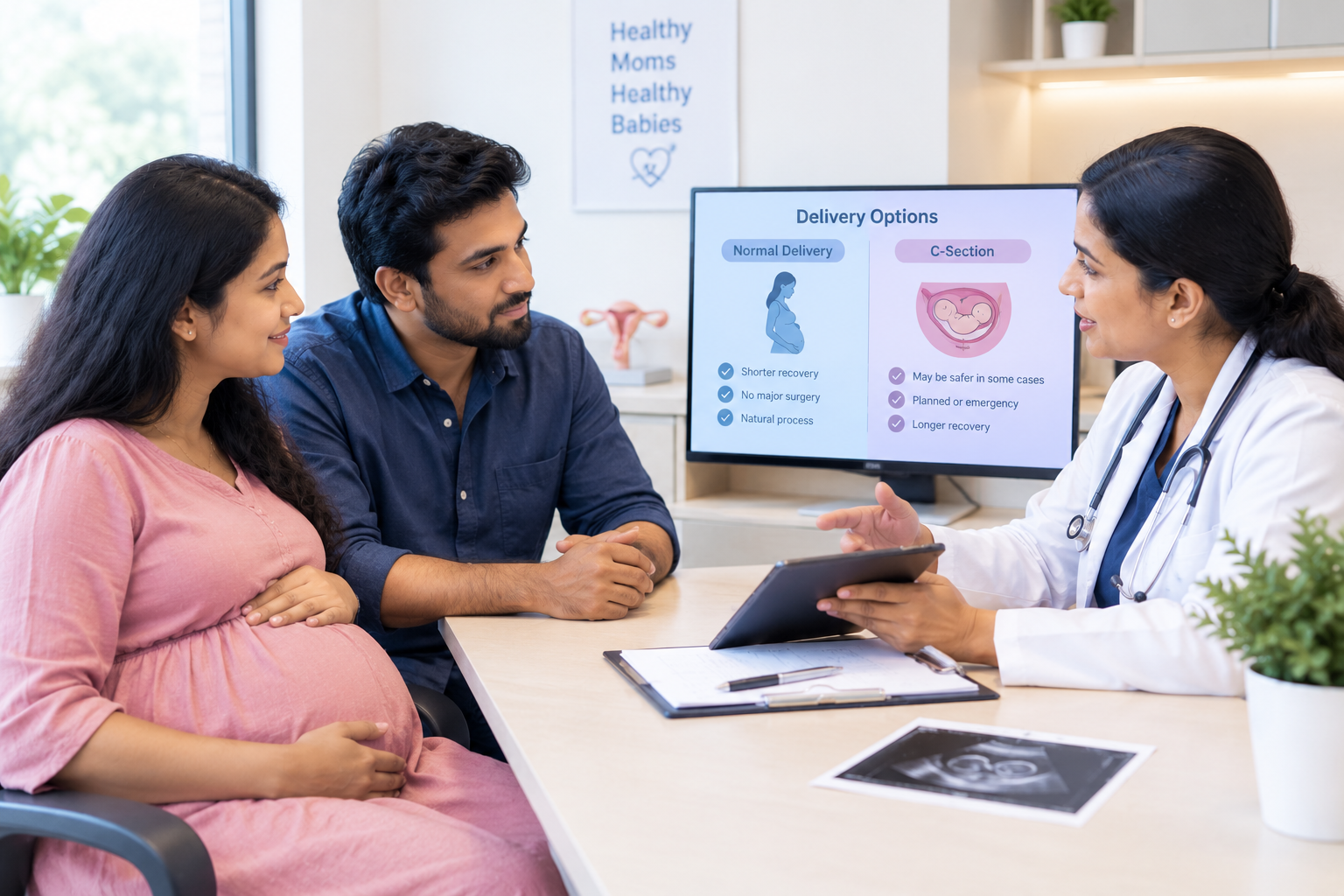
Normal Delivery vs C-Section: Which Is Better?
Sep 24 | 2026 Admin
Nearly every expecting mother in India eventually asks some version of the same question: normal delivery vs C-section - which is better? It's a fair question - both delivery methods carry different risks and benefits, and the "right" answe...

Male Infertility: Causes, Signs & Treatment Guide
Sep 17 | 2026 Admin
Male factors are involved in roughly 40–50% of all infertility cases worldwide, according to the World Health Organization (2023) - yet when a couple struggles to conceive, the conversation still tends to focus almost entirely on the woman. If ...
What Are the Early Signs of Breast Cancer? A Kochi Doctor Explains
Sep 16 | 2026 Admin
Nearly 1 in 28 Indian women will develop breast cancer in her lifetime, and early detection can push five-year survival rates above 90%.* Yet many women delay a check-up simply because they don't know what the early signs of breast cancer actually lo...
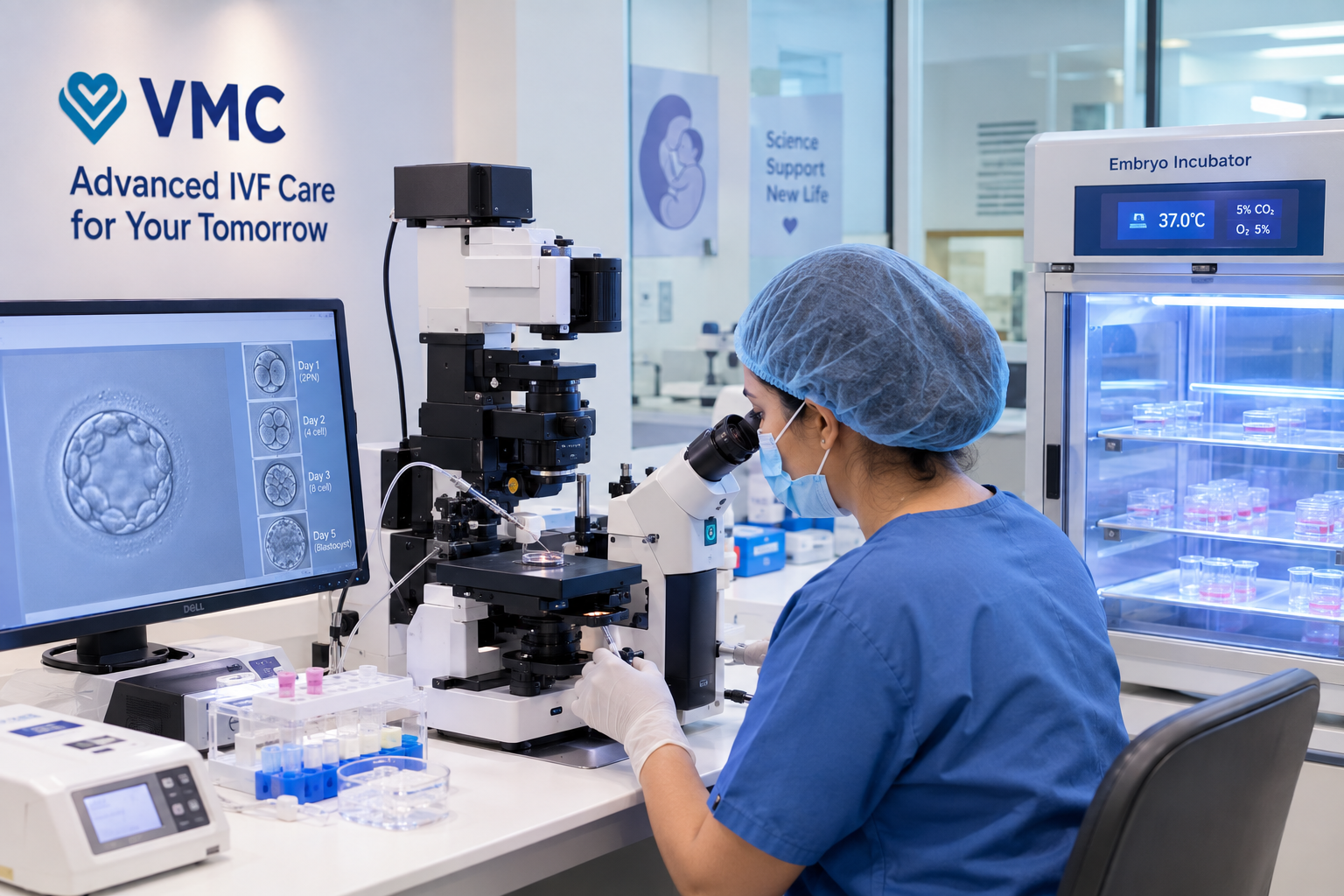
IUI vs IVF: What's the Real Difference?
Sep 15 | 2026 Admin
Nearly 1 in 6 couples worldwide experience infertility at some point in their reproductive lives, according to the World Health Organization (2023)-and for many of them, the first big decision isn't whether to seek treatment, but which treatment to s...
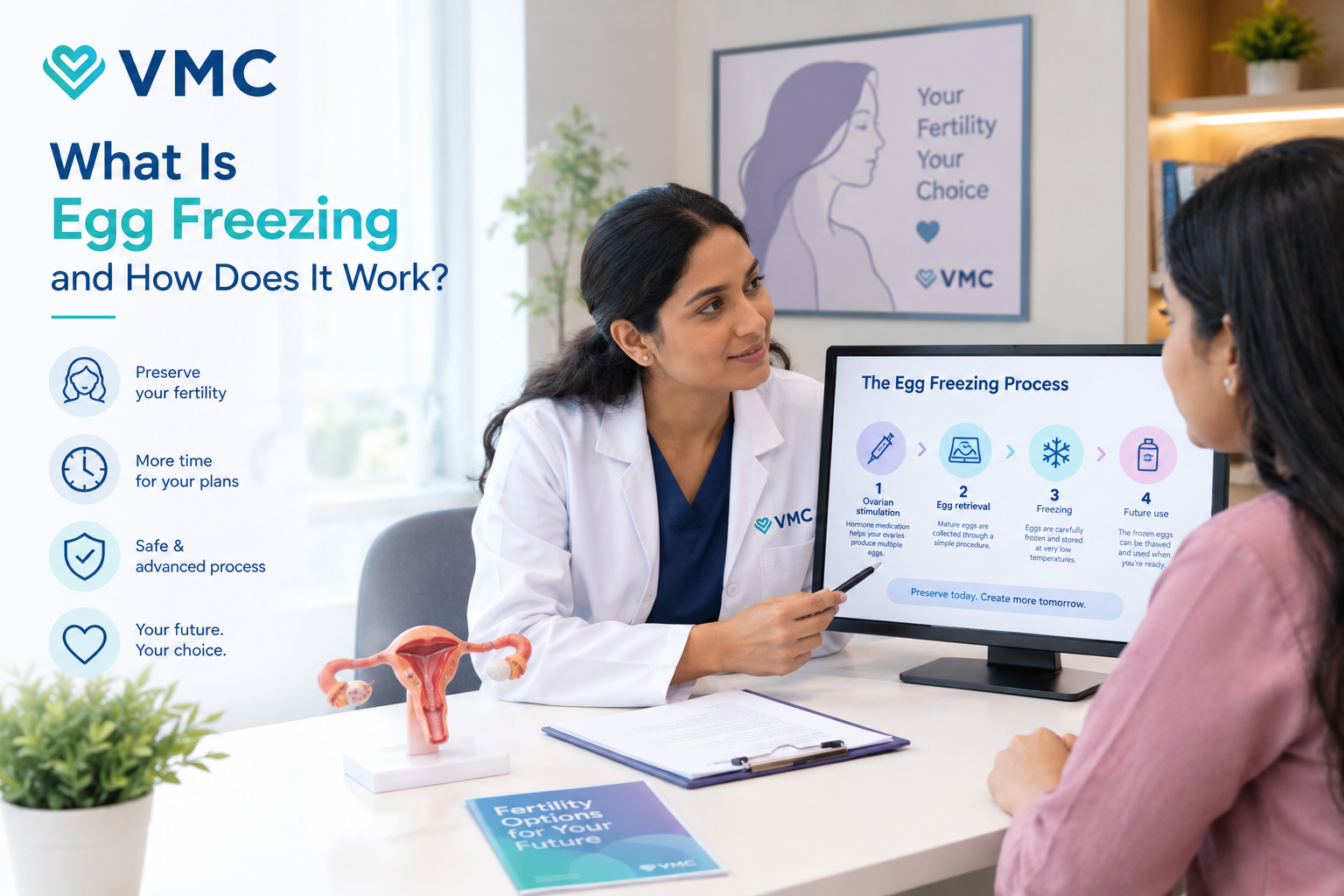
What Is Egg Freezing and How Does It Work?
Sep 14 | 2026 Admin
Maybe you're focused on your career, haven't found the right partner yet, or simply aren't ready for children right now - but you'd still like the option to have a biological child later. Egg freezing exists exactly for this reason, and it's one of t...
What Women's Health Warning Signs Should You Never Ignore?
Aug 31 | 2026 Admin
Certain symptoms — like unusual bleeding, persistent pelvic pain, unexplained weight changes, or new lumps — should never be brushed off as "probably nothing." While many symptoms turn out to be minor, some are ...
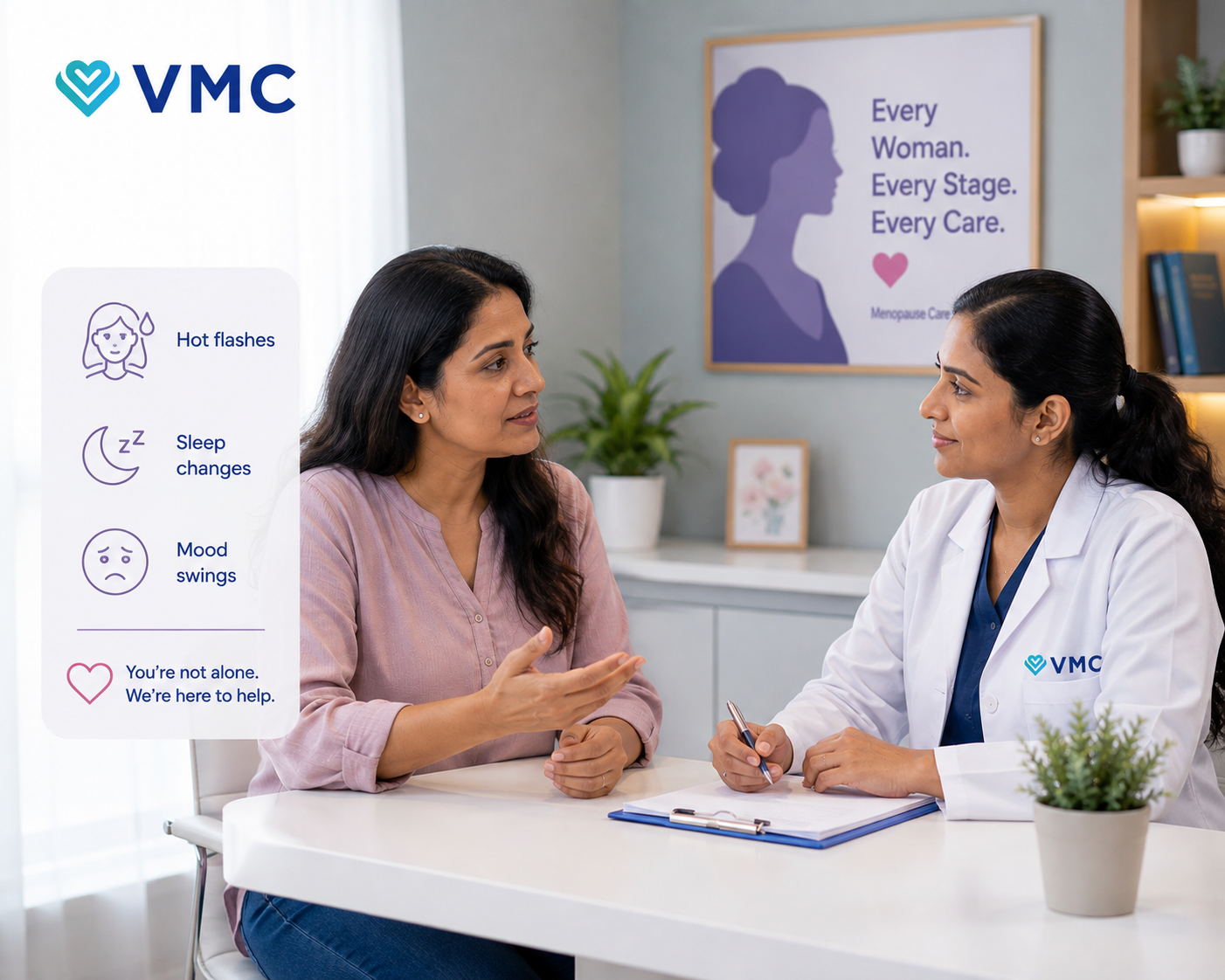
What Are the First Signs of Menopause?
Aug 31 | 2026 Admin
The first signs of menopause typically include irregular periods, hot flashes, night sweats, mood changes, and sleep disturbances, usually starting in a woman's mid-to-late 40s during a phase called perimenopause. These changes can last several years...
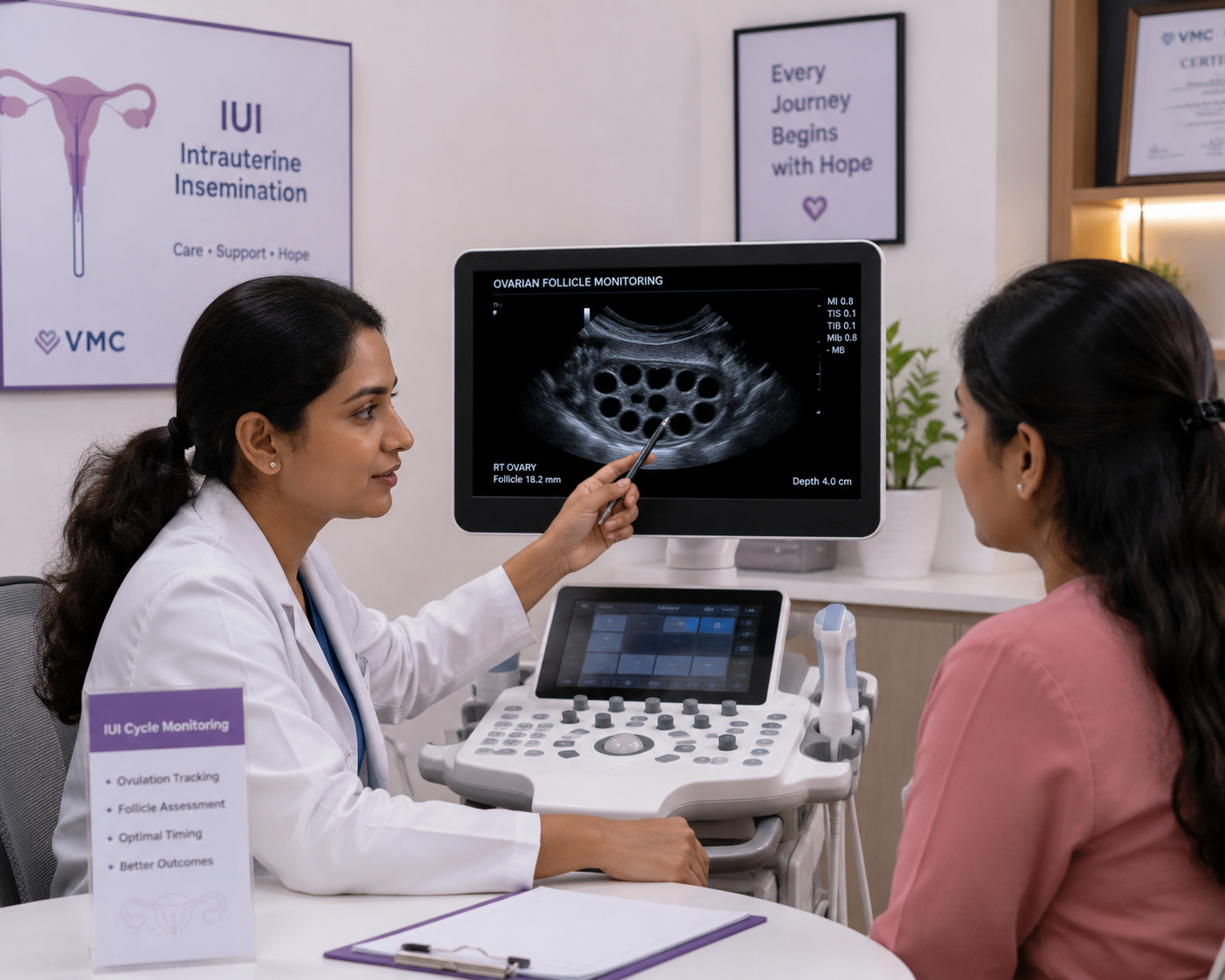
What Is IUI? A Simpler First Step Before IVF
Aug 31 | 2026 Admin
IUI, or Intrauterine Insemination, is a fertility treatment where specially prepared sperm is placed directly into the uterus around the time of ovulation, giving sperm a shorter distance to travel and a better chance of reaching the egg. It's simple...

What Should Parents Know Before Taking a Premature Baby Home?
Aug 29 | 2026 Admin
What Should Parents Know Before Taking a Premature Baby Home? Before taking a premature baby home, parents should confirm the baby maintains a stable body temperature, feeds well, has steady weight gain, and shows no breathing concerns — th...

Is Anesthesia Safe? What Patients Should Know Before Surgery
Aug 28 | 2026 Admin
Is Anaesthesia Safe? What Patients Should Know Before Surgery Yes, modern anaesthesia is very safe for the vast majority of patients, thanks to advanced monitoring technology and standardized safety protocols developed over decades of clinical pr...
What Happens When a Baby Is Born with Low Birth Weight?
Aug 13 | 2026 Admin
A baby is considered to have low birth weight if they weigh less than 2.5 kg (5.5 lbs) at birth, regardless of how many weeks of pregnancy they completed. This can happen because the baby was born prematurely, didn't grow adequately in the womb, or b...

How to Prepare for Delivery: A Complete Checklist
Aug 12 | 2026 Admin
How Should You Prepare for Your Delivery? Preparing for delivery involves packing your hospital bag, finalizing your birth plan, understanding labor signs, and choosing the right maternity hospital well before your due date. Starting preparations...
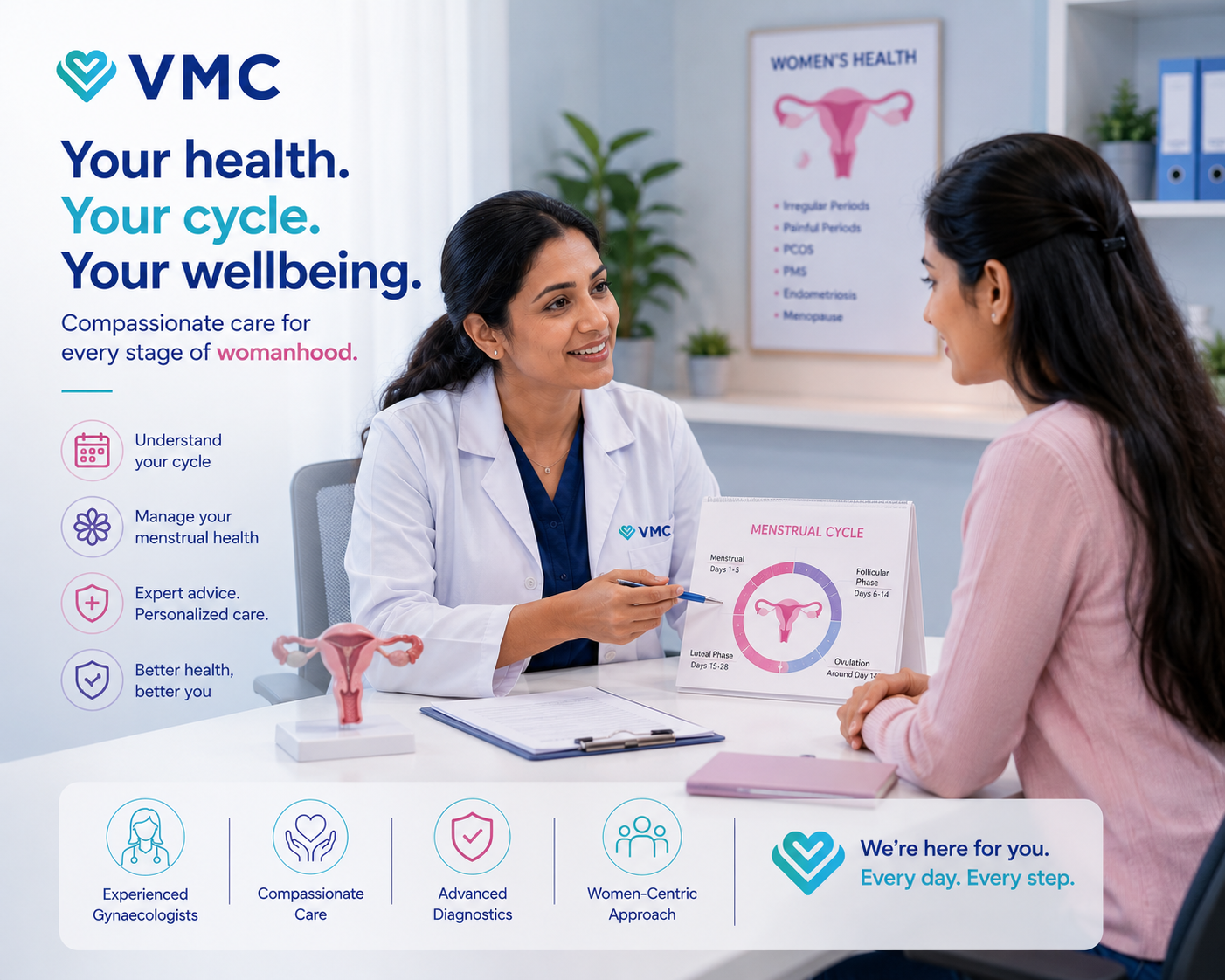
What Are the Common Causes of Irregular Periods?
Aug 11 | 2026 Admin
Irregular periods — cycles shorter than 21 days, longer than 35 days, or unpredictable in flow — are usually caused by hormonal imbalances, PCOS, thyroid disorders, stress, or lifestyle changes. Occasional irregularity is common and often...
Why Am I Not Getting Pregnant? When Should You Seek Help?
Aug 10 | 2026 Admin
Why Am I Not Getting Pregnant? When Should You Seek Help? If you've been trying to conceive for months without success, you're not alone — and it doesn't automatically mean something is wrong. Most healthy couples under 35 should seek a fer...

A Beginner’s Guide to Endometriosis Surgery
Mar 05 | 2022 Admin
Endometriosis can be described as a health condition, where the type of tissue, which lines the uterus of a woman grows outside of it. However, the only way to determine if someone is suffering from this condition is to perform a surgery, which is ca...

What Is IVF and When It Should Be Considered
Jan 20 | 2022 Admin
Several experts in the field of health care have admitted that IVF treatment is far more successful when compared to other fertility treatments like intrauterine insemination. What makes IVF treatment different and better than intrauterine inseminati...

Vijayalakshmi Medical Centre (VMC Hospital),
33/ 1734 D,
Chakkaraparambu,
Near Hotel Holiday Inn,
NH Bypass, Vennala P O,
Kochi - 682028
+91 9946 932 600 | +91 9961 173 300
info@vmchospital.com


Terms of use |
Privacy Policy |
Contact us
© 2026 Vijayalakshmi Medical Centre. All Rights Reserved
Designed & Developed by Websoul Techserve