 +91 9961 173 300
 info@vmchospital.com

 +91 9961 173 300
 info@vmchospital.com

Blogs
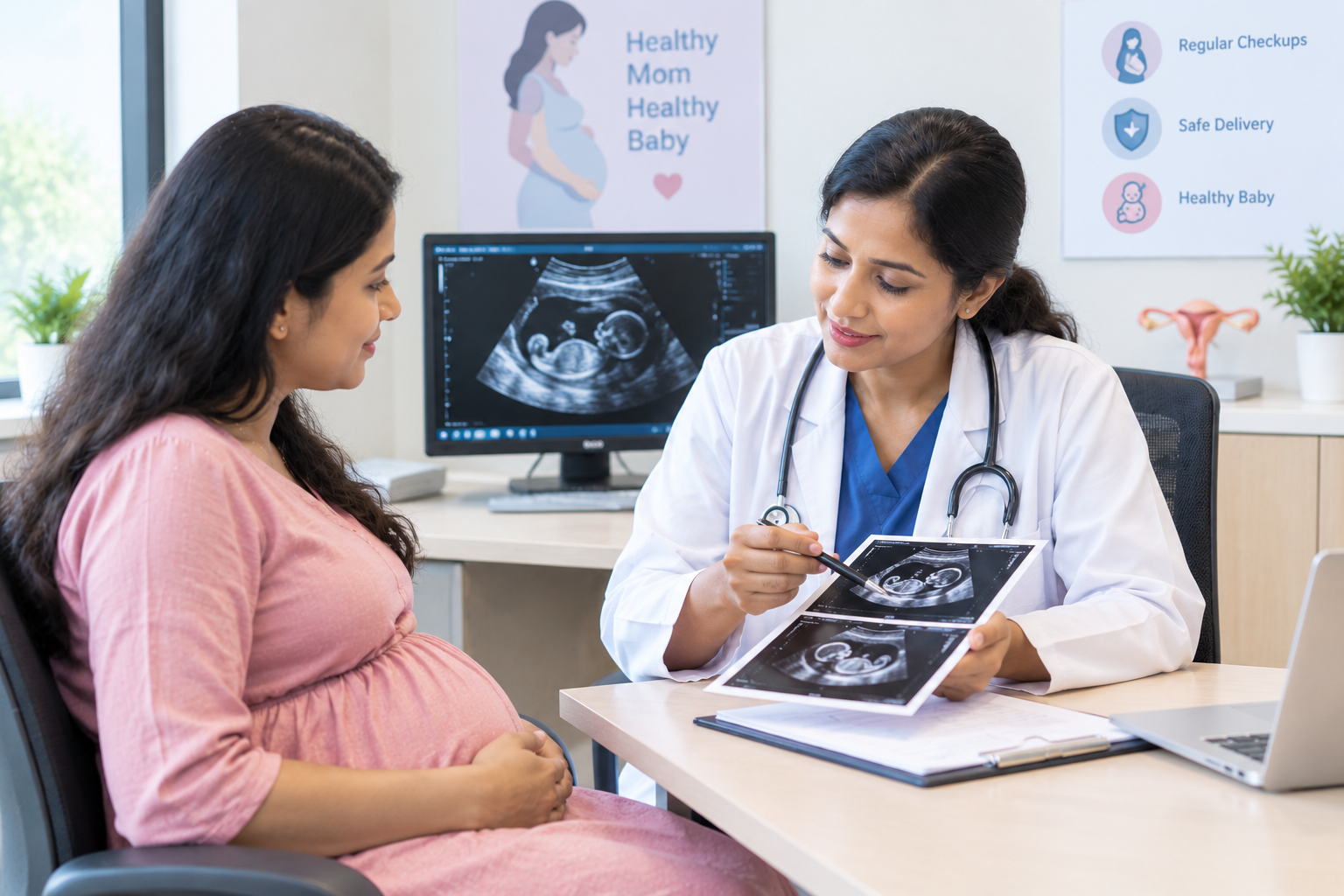
Diabetes During Pregnancy: Risks, Signs & Care Guide
Sep 25 | 2026 Admin
Nearly 1 in 6 pregnancies worldwide is affected by some form of high blood sugar, according to the International Diabetes Federation (2021) -and India has one of the highest rates globally. If you're pregnant and wondering whether diabetes during pregnancy could affect you or your baby, you're asking exactly the right question at exactly the right time.
This guide breaks down diabetes during pregnancy in clear, authoritative terms -why it happens, who's most at risk, how it's screened for, and what day-to-day management actually looks like, including a realistic approach to eating with gestational diabetes.
Quick Answer
Diabetes during pregnancy is a condition in which blood sugar levels rise higher than normal during gestation, either because of pre-existing diabetes or gestational diabetes that develops specifically during pregnancy. Left unmanaged, it raises risks for both mother and baby -but with early screening and consistent care, most women go on to have healthy pregnancies and deliveries.
Table of Contents
- Key Takeaways
- What Is Diabetes During Pregnancy?
- Why Does Diabetes Develop During Pregnancy?
- Who Is at Risk of Diabetes During Pregnancy?
- When Are Pregnant Women Screened for Diabetes?
- Where Do the Risks Show Up for Mother and Baby?
- How Is Diabetes During Pregnancy Managed?
- What Does a Gestational Diabetes Meal Plan Actually Look Like?
- What Are the Pros and Cons of Tight Blood Sugar Control?
- FAQs
- Conclusion
Key Takeaways
- Diabetes during pregnancy -whether pre-existing or gestational raises the risk of complications for both mother and baby if left unmanaged.
- Gestational diabetes affects an estimated 1 in 6 pregnancies globally, with South Asian women at notably higher risk.
- Most pregnant women are screened for gestational diabetes between 24–28 weeks, sometimes earlier if risk factors are present.
- Well-controlled blood sugar throughout pregnancy significantly lowers the risk of complications, often bringing outcomes close to non-diabetic pregnancies.
- A structured gestational diabetes meal plan, built around consistent carbohydrate intake, is usually the first line of management before medication is considered.
- Diabetes during pregnancy classifies a pregnancy as higher-risk, requiring closer, more frequent monitoring throughout.
What Is Diabetes During Pregnancy?
Diabetes during pregnancy refers to elevated blood sugar levels occurring during gestation, caused either by pre-existing Type 1 or Type 2 diabetes, or by gestational diabetes mellitus (GDM) that develops specifically because of pregnancy. Elevated blood sugar can cross the placenta, directly affecting the baby's growth and development.
Expert Insight: "The good news is that diabetes during pregnancy is very manageable with the right monitoring. What worries me isn't the diagnosis itself -it's women who go undiagnosed or undertreated because they assume gestational diabetes will simply resolve on its own." - Dr. Vijayalakshmi G Pillai, Chief Gynecologist, Obstetrician, Infertologist & Laparoscopic Surgeon, 20+ years of experience.
Why Does Diabetes Develop During Pregnancy?
- Pregnancy naturally changes how a woman's body processes insulin, and in some women, this shift goes further than normal:
- Placental hormones reduce the body's sensitivity to insulin as pregnancy progresses, a normal adaptation that becomes a problem when it goes too far.
- The pancreas may not produce enough extra insulin to compensate for this increased resistance, leading to elevated blood sugar.
- Pre-existing insulin resistance -including from excess weight or a family history of Type 2 diabetes -makes this shift more likely to cross into gestational diabetes.
Who Is at Risk of Diabetes During Pregnancy?
- Being overweight or obese before pregnancy.
- A family history of Type 2 diabetes.
- A previous pregnancy affected by gestational diabetes.
- Having previously delivered a baby weighing over 4 kg.
- Polycystic ovary syndrome (PCOS).
- Being over age 25, with risk increasing further with age.
- Belonging to certain ethnic groups with higher predisposition, including South Asian populations.
If two or more of these apply to you, it's worth discussing earlier screening with your obstetrician rather than waiting for the standard 24-28 week window.
See yourself in this list?
Book a consultation to talk through earlier screening -catching this early makes management significantly easier for the rest of your pregnancy.
When Are Pregnant Women Screened for Diabetes?
Most pregnant women are screened for gestational diabetes between 24 and 28 weeks using an oral glucose tolerance test (OGTT), which measures blood sugar response after a glucose drink. Women with risk factors - such as obesity, PCOS, or a family history of diabetes -are often screened earlier, sometimes at the very first prenatal visit.
Expert Insight: "Most of my patients with gestational diabetes feel completely normal - that's exactly why we don't rely on symptoms and instead screen every pregnant woman around 24 to 28 weeks, sometimes sooner. " - Dr. Vijayalakshmi G Pillai.
Booking your screening through a best obstetrician in Kochi ensures the timing is adjusted to your personal risk profile rather than applied as a one-size-fits-all schedule.
Where Do the Risks Show Up for Mother and Baby?
For the mother:
- Higher risk of pre-eclampsia (a high blood pressure disorder).
- Increased likelihood of needing a C-section due to a larger baby.
- Higher risk of developing Type 2 diabetes later in life, especially after gestational diabetes.
For the baby:
- Macrosomia (unusually large birth weight), which increases delivery complications.
- Higher risk of low blood sugar (hypoglycemia) immediately after birth.
- Increased risk of preterm birth.
- A slightly elevated long-term risk of childhood obesity and diabetes.
This is exactly why diabetes during pregnancy is managed under high-risk pregnancy care in Kochi protocols - the risks touch both mother and baby, and both need active monitoring, not just one.
How Is Diabetes During Pregnancy Managed?
Management is layered, starting simple and escalating only if needed:
- A structured gestational diabetes meal plan - consistent, moderate carbohydrate intake spread across meals and snacks, built with a dietitian rather than a generic diet.
- Regular blood sugar monitoring - as advised by your doctor, sometimes multiple times daily.
- Physical activity - moderate, doctor-approved exercise to help regulate blood sugar naturally.
- Medication or insulin therapy - introduced when diet and exercise alone aren't enough to maintain target blood sugar levels.
- Frequent prenatal monitoring - including growth scans to track the baby's size and wellbeing throughout the remaining pregnancy.
For many women, a well-built gestational diabetes meal plan alone is enough to keep blood sugar in a safe range - medication is a next step, not a starting point.
What Does a Gestational Diabetes Meal Plan Actually Look Like?
While every meal plan should be personalized by a dietitian based on your blood sugar readings and body weight, most gestational diabetes meal plans follow the same general principles:
- Consistent meal timing - three moderate meals plus 2-3 small snacks spread through the day, rather than large, infrequent meals, to avoid sharp blood sugar spikes.
- Carbohydrate pairing - carbohydrates (rice, roti, fruit) are eaten alongside protein or healthy fat (dal, paneer, nuts, curd) rather than alone, which slows sugar absorption.
- Portion-controlled carbs at breakfast - many women find their blood sugar responds most sharply in the morning, so breakfast is often the smallest carbohydrate portion of the day.
- Fiber-rich choices - whole grains, vegetables, and legumes over refined grains and sugary foods, since fiber slows glucose absorption.
- Limited sugary drinks and processed snacks - including fruit juice, which raises blood sugar faster than whole fruit.
This is a general framework, not a prescription - your actual carbohydrate targets and meal structure should be set by a dietitian based on your individual glucose monitoring results.
What Are the Pros and Cons of Tight Blood Sugar Control?
Pros:
Significantly reduces the risk of macrosomia, pre-eclampsia, and neonatal complications.
Improves the chances of a full-term, uncomplicated delivery.
Lowers the mother's long-term risk of developing Type 2 diabetes.
Cons:
Requires consistent daily monitoring and discipline, which can feel demanding.
May involve dietary adjustments that take time to plan around.
Insulin therapy, if needed, requires proper training and monitoring for hypoglycemia.
Delivering at a best maternity hospital in Kochi with coordinated obstetric and diabetes care means this monitoring happens as part of your regular prenatal visits, not as a separate, disconnected process.
FAQs
Can diabetes affect pregnancy outcomes?
Yes, unmanaged diabetes during pregnancy raises risks including a larger baby, pre-eclampsia, preterm birth, and neonatal low blood sugar - though good blood sugar control significantly reduces these risks.
What is gestational diabetes?
Gestational diabetes is a form of diabetes that develops during pregnancy, usually detected through screening between 24 and 28 weeks, and it typically resolves after delivery.
When are pregnant women screened for gestational diabetes?
Most pregnant women are screened between 24 and 28 weeks using an oral glucose tolerance test, though those with risk factors may be screened earlier.
Does gestational diabetes go away after delivery?
In most cases, yes gestational diabetes resolves after delivery, though affected women carry a higher lifelong risk of developing Type 2 diabetes.
Can a diabetic woman have a normal vaginal delivery?
Yes, many women with well-controlled diabetes have normal vaginal deliveries; the decision depends on blood sugar control, the baby's size, and other pregnancy factors.
Is insulin safe during pregnancy?
Yes, insulin is considered safe and is often the preferred treatment when diet and exercise alone aren't enough to control blood sugar during pregnancy.
Does having diabetes make pregnancy high-risk?
Diabetes does classify a pregnancy as higher-risk, requiring closer monitoring, but with proper management, most women with diabetes have healthy pregnancies and deliveries.
Conclusion
Diabetes during pregnancy doesn't have to complicate your pregnancy journey. With early screening, a realistic meal plan, and coordinated care between your obstetrician and diabetology team, most risks can be significantly reduced.
Book a consultation with our maternity team today for coordinated prenatal diabetes care built around your specific risk profile.

Normal Delivery vs C-Section: Which Is Better?
Sep 24 | 2026 Admin
Nearly every expecting mother in India eventually asks some version of the same question: normal delivery vs C-section - which is better? It's a fair question - both delivery methods carry different risks and benefits, and the "right" answe...

Male Infertility: Causes, Signs & Treatment Guide
Sep 17 | 2026 Admin
Male factors are involved in roughly 40–50% of all infertility cases worldwide, according to the World Health Organization (2023) - yet when a couple struggles to conceive, the conversation still tends to focus almost entirely on the woman. If ...

What Are the Early Signs of Breast Cancer? A Kochi Doctor Explains
Sep 16 | 2026 Admin
Nearly 1 in 28 Indian women will develop breast cancer in her lifetime, and early detection can push five-year survival rates above 90%.* Yet many women delay a check-up simply because they don't know what the early signs of breast cancer actually lo...
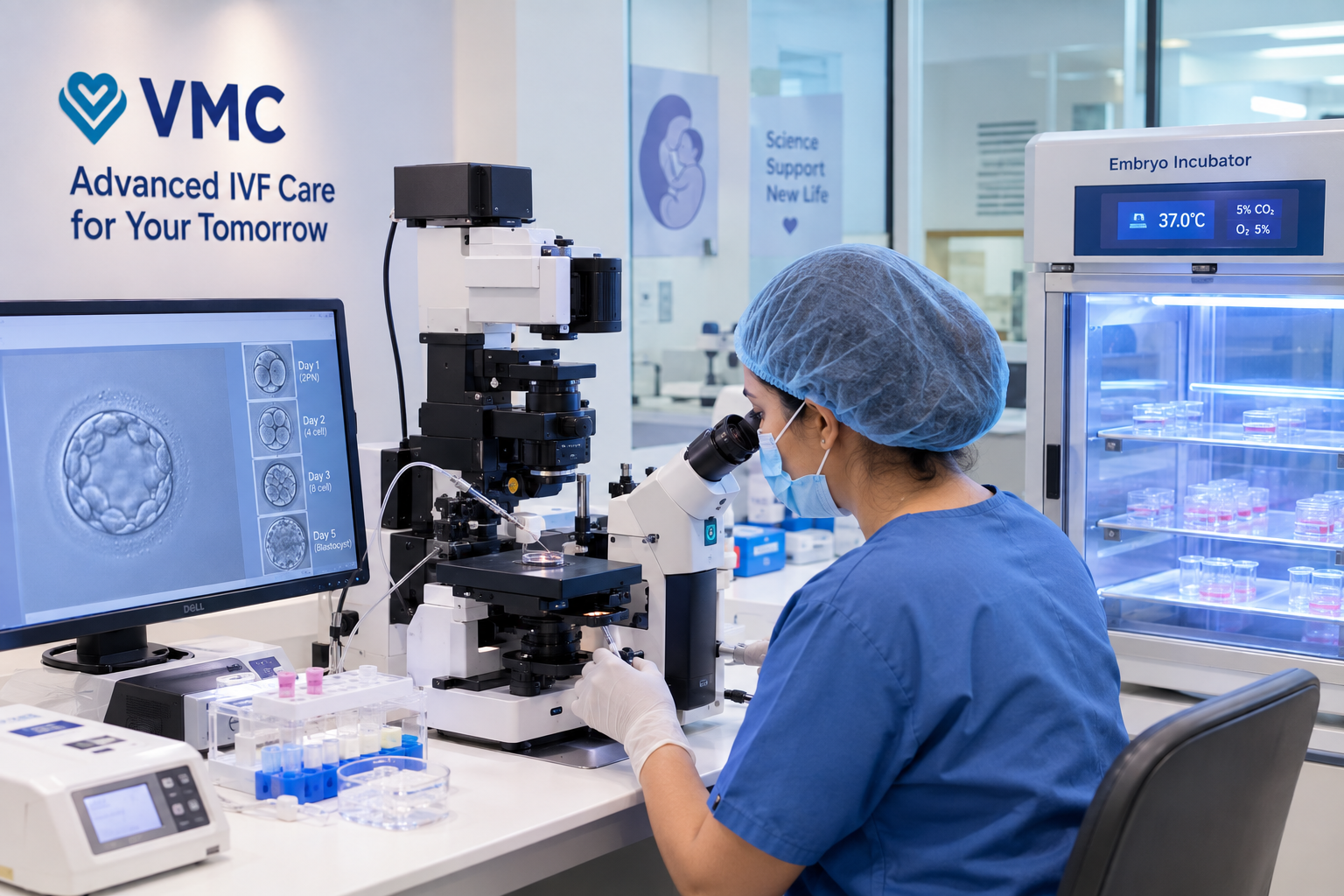
IUI vs IVF: What's the Real Difference?
Sep 15 | 2026 Admin
Nearly 1 in 6 couples worldwide experience infertility at some point in their reproductive lives, according to the World Health Organization (2023)-and for many of them, the first big decision isn't whether to seek treatment, but which treatment to s...
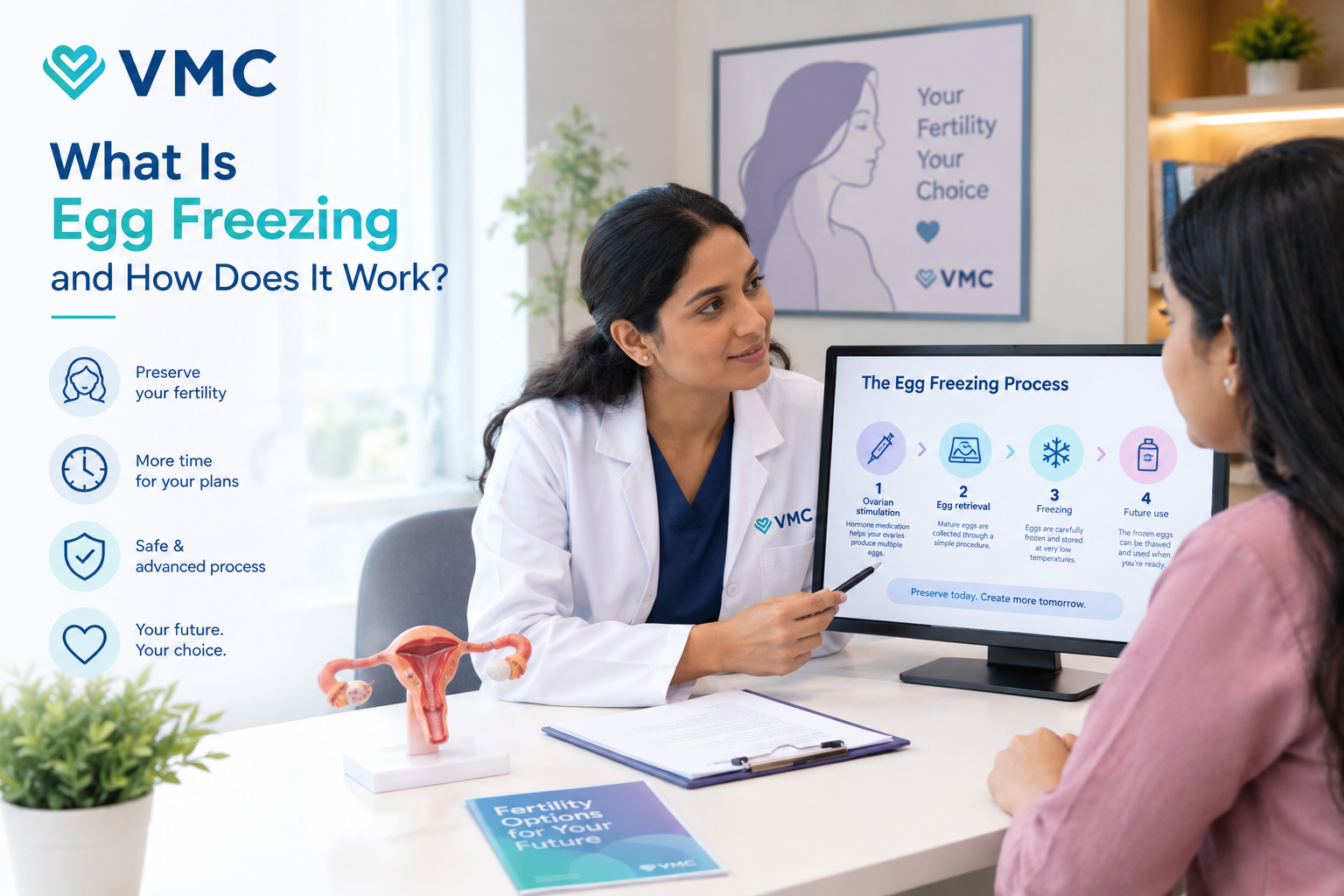
What Is Egg Freezing and How Does It Work?
Sep 14 | 2026 Admin
Maybe you're focused on your career, haven't found the right partner yet, or simply aren't ready for children right now - but you'd still like the option to have a biological child later. Egg freezing exists exactly for this reason, and it's one of t...
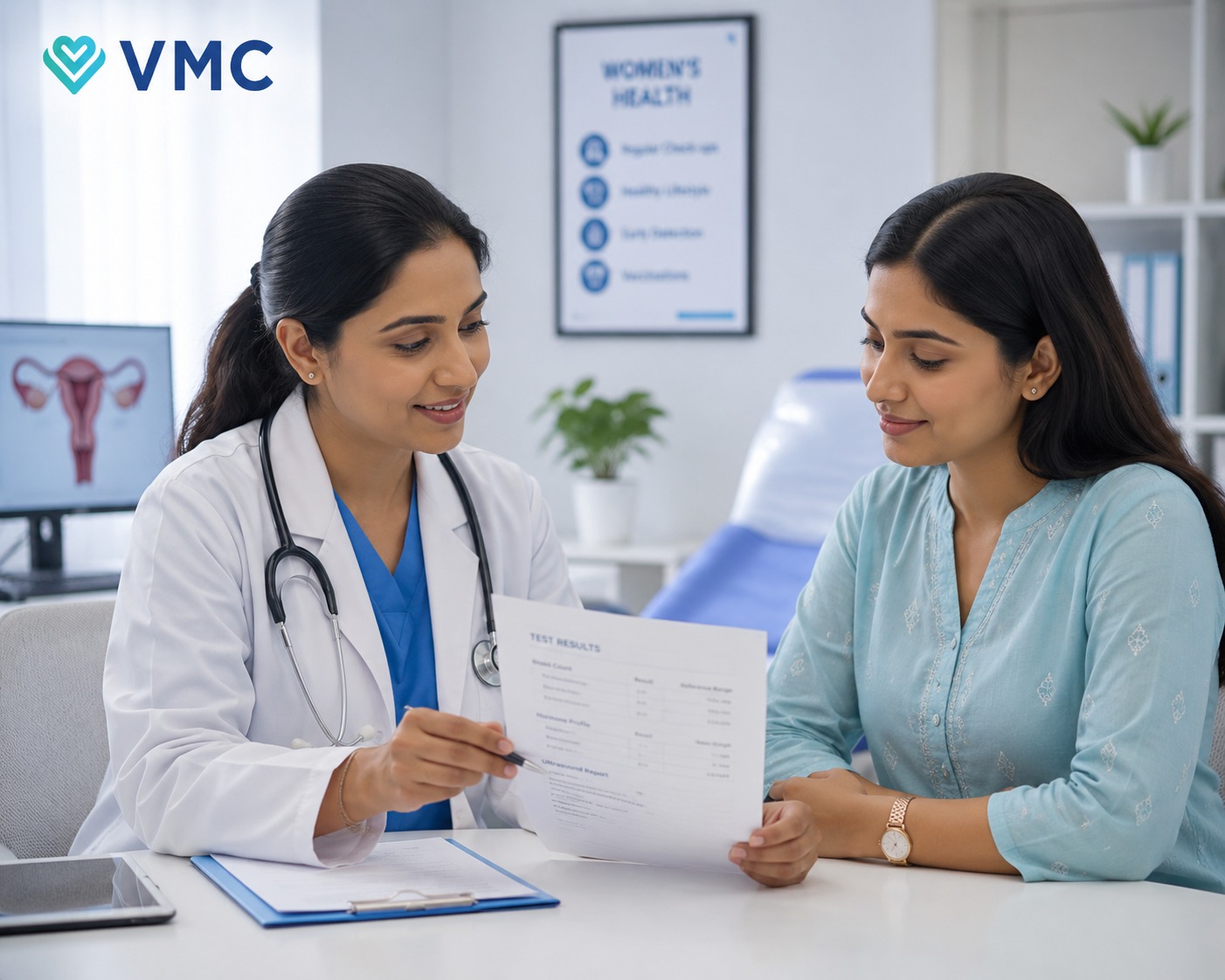
What Women's Health Warning Signs Should You Never Ignore?
Aug 31 | 2026 Admin
Certain symptoms — like unusual bleeding, persistent pelvic pain, unexplained weight changes, or new lumps — should never be brushed off as "probably nothing." While many symptoms turn out to be minor, some are ...

What Are the First Signs of Menopause?
Aug 31 | 2026 Admin
The first signs of menopause typically include irregular periods, hot flashes, night sweats, mood changes, and sleep disturbances, usually starting in a woman's mid-to-late 40s during a phase called perimenopause. These changes can last several years...
What Is IUI? A Simpler First Step Before IVF
Aug 31 | 2026 Admin
IUI, or Intrauterine Insemination, is a fertility treatment where specially prepared sperm is placed directly into the uterus around the time of ovulation, giving sperm a shorter distance to travel and a better chance of reaching the egg. It's simple...

What Should Parents Know Before Taking a Premature Baby Home?
Aug 29 | 2026 Admin
What Should Parents Know Before Taking a Premature Baby Home? Before taking a premature baby home, parents should confirm the baby maintains a stable body temperature, feeds well, has steady weight gain, and shows no breathing concerns — th...

Is Anesthesia Safe? What Patients Should Know Before Surgery
Aug 28 | 2026 Admin
Is Anaesthesia Safe? What Patients Should Know Before Surgery Yes, modern anaesthesia is very safe for the vast majority of patients, thanks to advanced monitoring technology and standardized safety protocols developed over decades of clinical pr...
What Happens When a Baby Is Born with Low Birth Weight?
Aug 13 | 2026 Admin
A baby is considered to have low birth weight if they weigh less than 2.5 kg (5.5 lbs) at birth, regardless of how many weeks of pregnancy they completed. This can happen because the baby was born prematurely, didn't grow adequately in the womb, or b...

How to Prepare for Delivery: A Complete Checklist
Aug 12 | 2026 Admin
How Should You Prepare for Your Delivery? Preparing for delivery involves packing your hospital bag, finalizing your birth plan, understanding labor signs, and choosing the right maternity hospital well before your due date. Starting preparations...
What Are the Common Causes of Irregular Periods?
Aug 11 | 2026 Admin
Irregular periods — cycles shorter than 21 days, longer than 35 days, or unpredictable in flow — are usually caused by hormonal imbalances, PCOS, thyroid disorders, stress, or lifestyle changes. Occasional irregularity is common and often...

Why Am I Not Getting Pregnant? When Should You Seek Help?
Aug 10 | 2026 Admin
Why Am I Not Getting Pregnant? When Should You Seek Help? If you've been trying to conceive for months without success, you're not alone — and it doesn't automatically mean something is wrong. Most healthy couples under 35 should seek a fer...

A Beginner’s Guide to Endometriosis Surgery
Mar 05 | 2022 Admin
Endometriosis can be described as a health condition, where the type of tissue, which lines the uterus of a woman grows outside of it. However, the only way to determine if someone is suffering from this condition is to perform a surgery, which is ca...

What Is IVF and When It Should Be Considered
Jan 20 | 2022 Admin
Several experts in the field of health care have admitted that IVF treatment is far more successful when compared to other fertility treatments like intrauterine insemination. What makes IVF treatment different and better than intrauterine inseminati...

Vijayalakshmi Medical Centre (VMC Hospital),
33/ 1734 D,
Chakkaraparambu,
Near Hotel Holiday Inn,
NH Bypass, Vennala P O,
Kochi - 682028
+91 9946 932 600 | +91 9961 173 300
info@vmchospital.com


Terms of use |
Privacy Policy |
Contact us
© 2026 Vijayalakshmi Medical Centre. All Rights Reserved
Designed & Developed by Websoul Techserve