 +91 9961 173 300
 info@vmchospital.com

 +91 9961 173 300
 info@vmchospital.com

Blogs

Normal Delivery vs C-Section: Which Is Better?
Sep 24 | 2026 Admin
Nearly every expecting mother in India eventually asks some version of the same question: normal delivery vs C-section - which is better? It's a fair question - both delivery methods carry different risks and benefits, and the "right" answer depends entirely on your specific pregnancy, not a general rule that applies to everyone.
This guide breaks the comparison down in clear, evidence-based terms - the real differences, when each method is medically necessary, and how recovery compares - so you can have an informed conversation with your obstetrician rather than relying on guesswork or what worked for a friend.
Quick Answer
Neither normal delivery nor C-section is universally "better" - normal (vaginal) delivery generally offers faster recovery and fewer surgical risks for low-risk pregnancies, while a C-section is safer and often essential in specific complicated cases like fetal distress, breech position, or placenta previa. The right choice depends on your health, your baby's position, and how labor progresses.
Table of Contents
- Key Takeaways
- What Is the Difference Between Normal Delivery and a C-Section?
- Why Would a Doctor Recommend One Over the Other?
- Is a C-Section Safer Than Normal Delivery?
- Which Delivery Method Is Safer for the Baby?
- Where Do the Risks Differ for Mother and Baby?
- Who Should Consider Each Delivery Method?
- When Is a C-Section Medically Necessary?
- How Do Recovery Timelines Compare?
- So, Which Should You Choose?
- What Are the Pros and Cons of Each?
- FAQs
- Conclusion
Key Takeaways
- The choice between normal delivery and a C-section depends on the mother's health, the baby's position, and how labor progresses - there's no single universally safer option.
- The World Health Organization has referenced C-section rates around 10–15% of births at a population level, since higher rates don't show added health benefits.
- Normal delivery generally allows faster recovery (1–2 weeks) and lower surgical risk than a C-section (4–6 weeks recovery).
- A C-section is safer - and often life-saving - in specific situations like fetal distress, breech position, or placenta previa.
- Both methods carry manageable risks when performed by an experienced obstetric team at a well-equipped hospital.
- Vaginal birth after cesarean (VBAC) is possible for many women, depending on the reason for the earlier C-section.
What Is the Difference Between Normal Delivery and a C-Section?
Normal (vaginal) delivery is childbirth through the birth canal, driven by the body's natural labor process, while a C-section (Cesarean section) is a surgical procedure in which the baby is delivered through incisions in the abdomen and uterus. The core difference isn't just method - it's how the body experiences and recovers from each.
Normal delivery generally means shorter hospital stays and a faster return to daily activity. A C-section can be planned for known risk factors, or performed as an emergency response when labor takes an unexpected turn.
Expert Insight: "Neither method is inherently 'better' in isolation. What matters is whether the delivery method matches what's actually happening with mother and baby in that specific pregnancy. " - Dr. Vijayalakshmi G Pillai, Chief Gynecologist, Obstetrician, Infertologist & Laparoscopic Surgeon, 20+ years of experience.
Why Would a Doctor Recommend One Over the Other?
The decision isn't made casually - it's based on specific clinical findings:
- Baby's position - breech or transverse positioning usually rules out a safe vaginal delivery.
- Placental location conditions like placenta previa make a C-section necessary.
- Labor progress - if labor stalls despite adequate intervention, a C-section may become the safer path.
- Maternal health conditions - pre-eclampsia or similar conditions where prolonged labor carries risk.
- Prior delivery history - a previous C-section doesn't automatically rule out normal delivery next time, but it's a factor your doctor will weigh.
Is a C-Section Safer Than Normal Delivery?
Not universally. For a healthy, low-risk pregnancy, normal delivery is generally safer - it avoids surgical risks like infection, bleeding, and anesthesia complications, and typically leads to faster recovery.
A C-section becomes the safer choice precisely when a specific complication makes vaginal delivery genuinely risky - not as a routine alternative. The WHO notes that C-section rates significantly above 10–15% at a population level don't correspond to better maternal or infant outcomes, suggesting the procedure works best when reserved for real medical needs.
Which Delivery Method Is Safer for the Baby?
When there's no medical complication, both methods are generally safe for the baby. The distinction matters most in specific scenarios:
- In fetal distress or breech position, a C-section is typically the safer choice for the baby.
- In uncomplicated pregnancies, vaginal delivery may modestly lower the baby's risk of short-term respiratory adjustment issues compared to a C-section performed without medical necessity.
- Both methods carry excellent outcomes for the baby when the decision is guided by actual clinical need rather than convenience or preference alone.
Where Do the Risks Differ for Mother and Baby?
It helps to separate where each method's risks actually show up:
- For the mother: Normal delivery risk centers on perineal tearing and labor unpredictability; C-section risk centers on the surgical site - infection, bleeding, anesthesia complications.
- For the baby: Normal delivery risk mostly ties to a difficult or prolonged labor; C-section risk (when not medically indicated) mostly ties to slightly higher rates of transient breathing adjustment right after birth.
- For future pregnancies: A prior C-section can influence, though not automatically prevent, delivery options in a later pregnancy - a longer-term consideration normal delivery doesn't carry the same way.
Who Should Consider Each Delivery Method?
Normal delivery tends to suit:
- Women with low-risk, uncomplicated pregnancies.
- Babies in a head-down position with no placental complications.
- Women who want faster recovery and a shorter hospital stay.
A C-section tends to suit:
- Breech or transverse baby positioning.
- Placenta previa or other placental complications.
- Pre-eclampsia or conditions where prolonged labor carries added risk.
- Signs of fetal distress during labor.
- Cases where labor fails to progress despite adequate time.
A best obstetrician in Kochi will walk you through which category your pregnancy falls into well before your due date, rather than deciding in the delivery room.
Recognize your situation above?
Book a consultation with our maternity team - the earlier you talk through your options, the more prepared you'll feel walking into delivery day.
When Is a C-Section Medically Necessary?
A C-section is generally recommended when:
- The baby is breech (feet-first) or lying transverse (sideways).
- There's placenta previa or another placental complication.
- The mother has pre-eclampsia or a condition where prolonged labor is risky.
- There are clear signs of fetal distress during labor.
- Labor fails to progress despite adequate time and intervention.
- The mother has had a previous C-section and VBAC isn't advised for her case.
Expert Insight: "A C-section isn't a failure of labor - it's a tool that, used at the right moment, protects both mother and baby. I'd rather perform a timely C-section than risk complications from an unnecessarily prolonged labor." - Dr. Vijayalakshmi G Pillai.
How Do Recovery Timelines Compare?
Normal delivery: Most mothers can walk within hours, with perineal soreness easing over 1–2 weeks and full activity typically resuming within a few weeks
C-section: Walking is encouraged within a day for circulation, but heavy lifting and full activity are usually restricted for 4–6 weeks while the incision heals.
Choosing a best gynecology hospital in Kochi with dedicated postnatal support matters for either recovery path, since the right follow-up care shortens complications either way.
So, Which Should You Choose?
Framed honestly, the choice between normal delivery and a C-section isn't a competition with one universal winner - it's a decision revisited throughout pregnancy as new information becomes available. For most low-risk pregnancies, normal delivery offers real recovery advantages. For pregnancies with specific complications, a C-section isn't a compromise - it's the medically appropriate choice.
The safest outcome, either way, comes from delivering at a hospital equipped to handle both scenarios and switch between them quickly if labor changes course.
What Are the Pros and Cons of Each?
Normal Delivery
- Pros: Faster recovery, shorter hospital stay, lower surgical risk, easier subsequent pregnancies.
- Cons: Unpredictable labor length, some risk of perineal tearing, not possible in every pregnancy.
C-Section
- Pros: Timing can be planned, essential in emergencies, avoids risks of prolonged labor.
- Cons: Longer recovery, surgical risks (infection, bleeding), may influence future delivery planning.
Discussing both openly with a best gynecologist in Kochi well before your due date is the best way to walk into delivery day with a clear, realistic plan rather than uncertainty.
FAQs
Is a C-section safer than normal delivery?
Neither is universally safer - normal delivery generally has faster recovery and fewer surgical risks for low-risk pregnancies, while a C-section is safer and often life-saving in specific complicated cases like fetal distress or placenta previa.
Which delivery method is safer for the baby?
For uncomplicated pregnancies, both are generally safe for the baby. In cases of fetal distress or breech position, a C-section is typically the safer option for the baby specifically.
Does a C-section hurt more than normal delivery?
Pain type differs rather than one being simply worse - C-section recovery involves incision-site pain over several weeks, while normal delivery involves perineal soreness that typically eases faster.
Can I choose to have a C-section without a medical reason?
Elective C-sections without a medical indication are possible in some cases after discussion with your obstetrician, though normal delivery is generally recommended when there's no medical reason for surgery.
How long is recovery after a C-section?
Full recovery typically takes 4–6 weeks, though many mothers can walk and manage light activity within the first few days.
Can I have a normal delivery after a previous C-section?
In many cases, yes - this is called VBAC (vaginal birth after cesarean) - but it depends on the reason for the previous C-section and your obstetrician's individual assessment.
What is the WHO's recommended C-section rate?
The World Health Organization has referenced rates around 10 -15% at a population level as a benchmark, noting that rates well above this don't show additional health benefits for mothers or babies.
Conclusion
There's no single "safer" delivery method for every mother - the right choice between normal delivery and a C-section ultimately comes down to your specific pregnancy, your baby's position, and how labor unfolds. What matters most is delivering at a hospital equipped to handle either path safely.
Book a consultation with our maternity team today to build a personalized delivery plan built around your pregnancy.

Male Infertility: Causes, Signs & Treatment Guide
Sep 17 | 2026 Admin
Male factors are involved in roughly 40–50% of all infertility cases worldwide, according to the World Health Organization (2023) - yet when a couple struggles to conceive, the conversation still tends to focus almost entirely on the woman. If ...
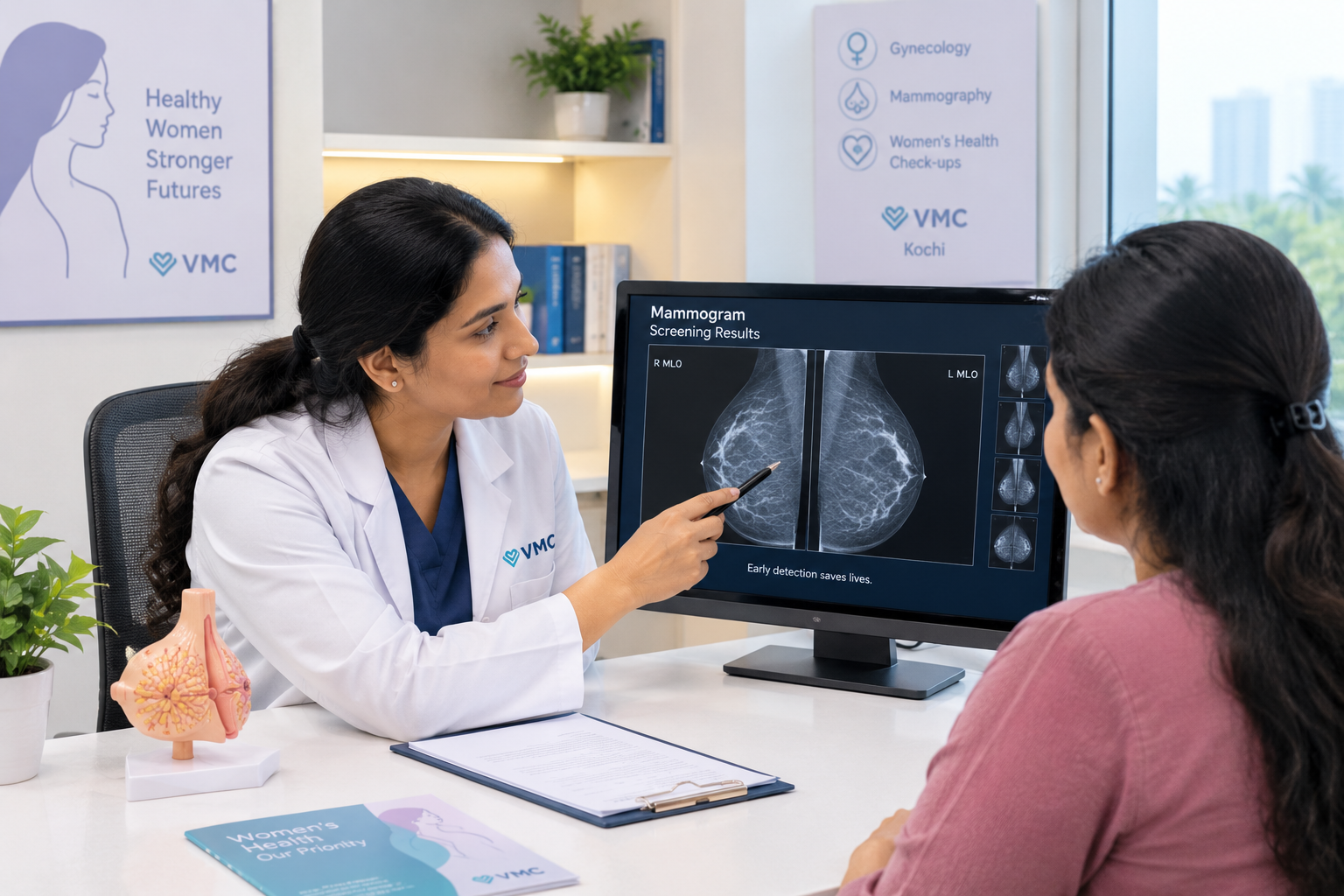
What Are the Early Signs of Breast Cancer? A Kochi Doctor Explains
Sep 16 | 2026 Admin
Nearly 1 in 28 Indian women will develop breast cancer in her lifetime, and early detection can push five-year survival rates above 90%.* Yet many women delay a check-up simply because they don't know what the early signs of breast cancer actually lo...
IUI vs IVF: What's the Real Difference?
Sep 15 | 2026 Admin
Nearly 1 in 6 couples worldwide experience infertility at some point in their reproductive lives, according to the World Health Organization (2023)-and for many of them, the first big decision isn't whether to seek treatment, but which treatment to s...
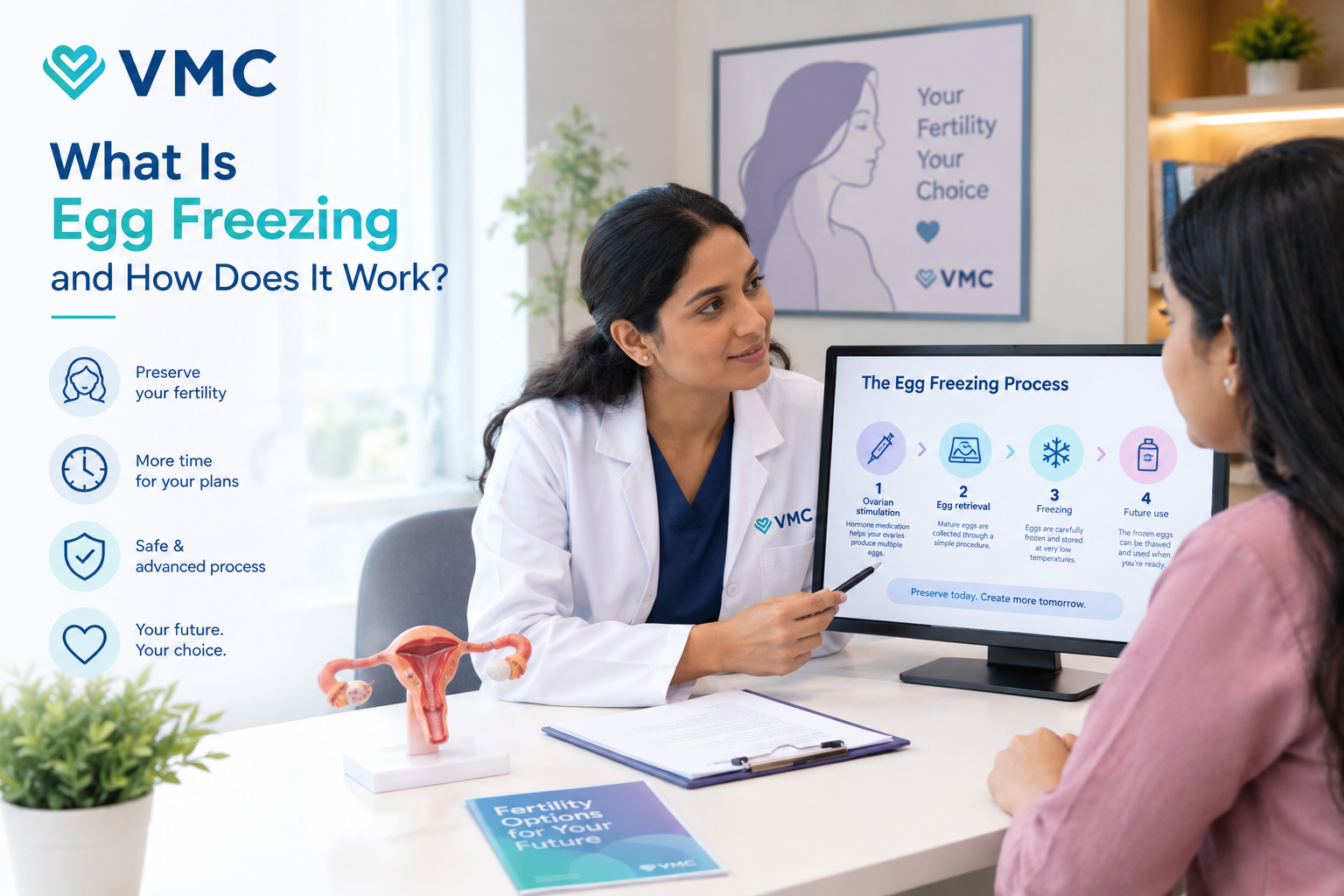
What Is Egg Freezing and How Does It Work?
Sep 14 | 2026 Admin
Maybe you're focused on your career, haven't found the right partner yet, or simply aren't ready for children right now - but you'd still like the option to have a biological child later. Egg freezing exists exactly for this reason, and it's one of t...
What Women's Health Warning Signs Should You Never Ignore?
Aug 31 | 2026 Admin
Certain symptoms — like unusual bleeding, persistent pelvic pain, unexplained weight changes, or new lumps — should never be brushed off as "probably nothing." While many symptoms turn out to be minor, some are ...
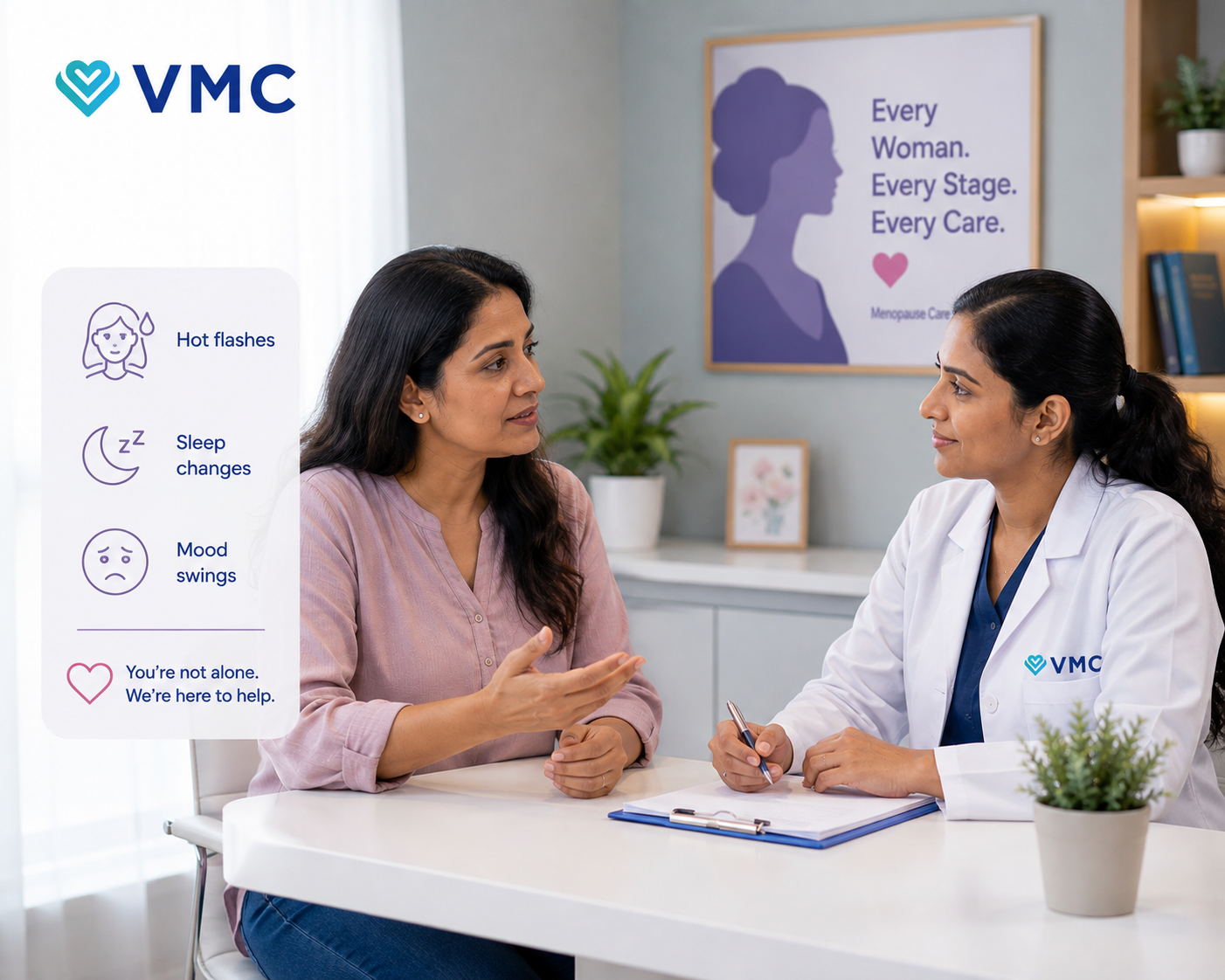
What Are the First Signs of Menopause?
Aug 31 | 2026 Admin
The first signs of menopause typically include irregular periods, hot flashes, night sweats, mood changes, and sleep disturbances, usually starting in a woman's mid-to-late 40s during a phase called perimenopause. These changes can last several years...
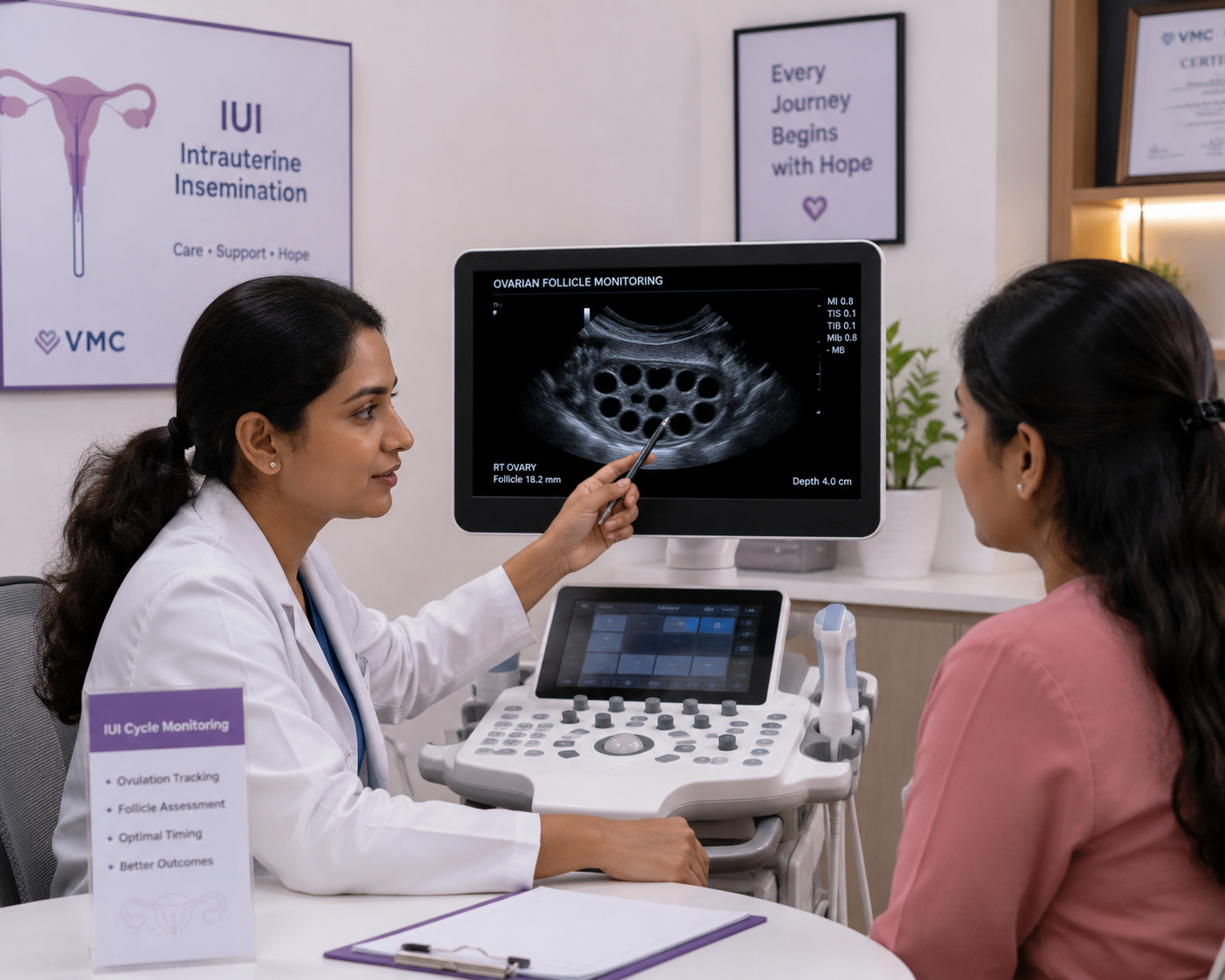
What Is IUI? A Simpler First Step Before IVF
Aug 31 | 2026 Admin
IUI, or Intrauterine Insemination, is a fertility treatment where specially prepared sperm is placed directly into the uterus around the time of ovulation, giving sperm a shorter distance to travel and a better chance of reaching the egg. It's simple...

What Should Parents Know Before Taking a Premature Baby Home?
Aug 29 | 2026 Admin
What Should Parents Know Before Taking a Premature Baby Home? Before taking a premature baby home, parents should confirm the baby maintains a stable body temperature, feeds well, has steady weight gain, and shows no breathing concerns — th...
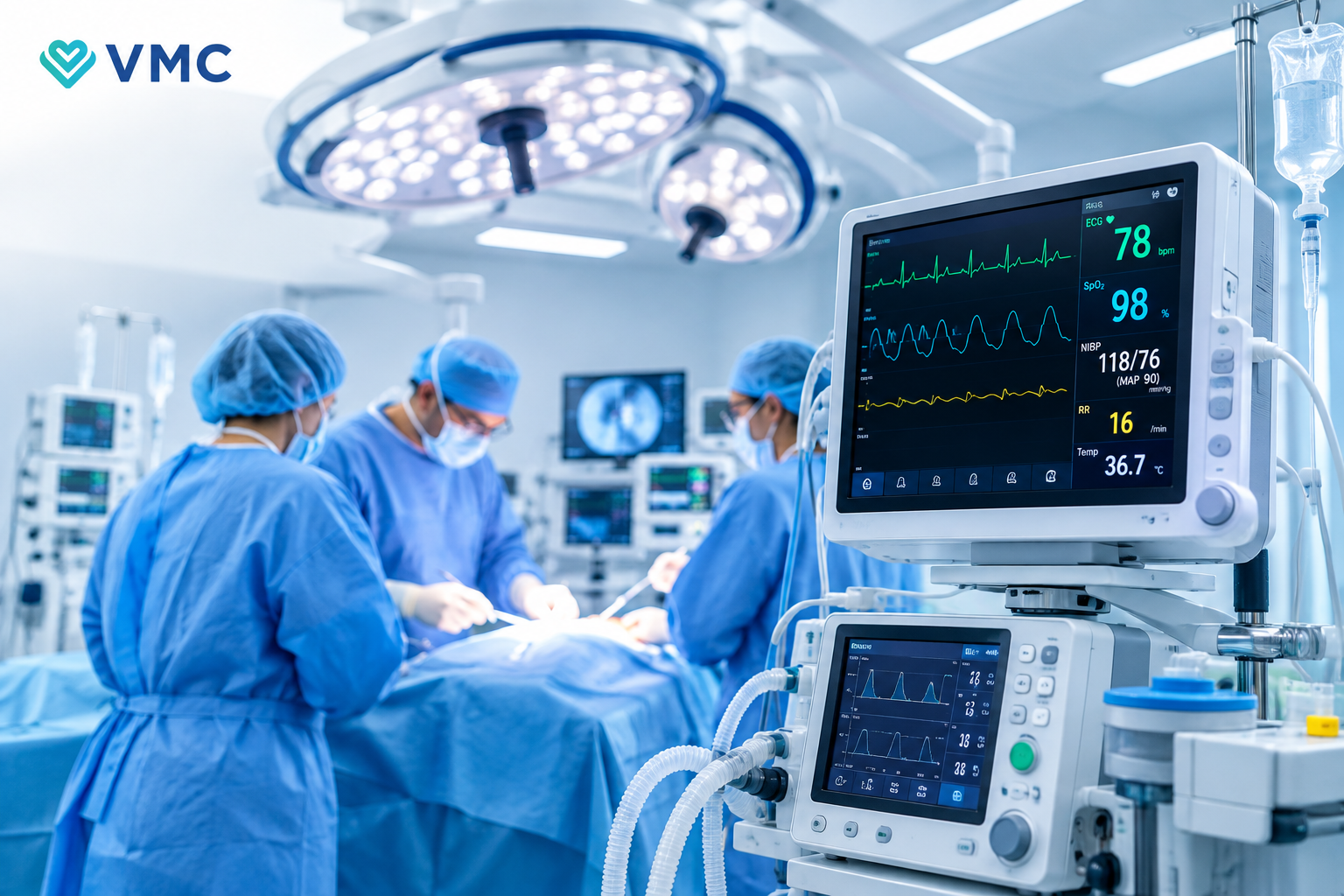
Is Anesthesia Safe? What Patients Should Know Before Surgery
Aug 28 | 2026 Admin
Is Anaesthesia Safe? What Patients Should Know Before Surgery Yes, modern anaesthesia is very safe for the vast majority of patients, thanks to advanced monitoring technology and standardized safety protocols developed over decades of clinical pr...
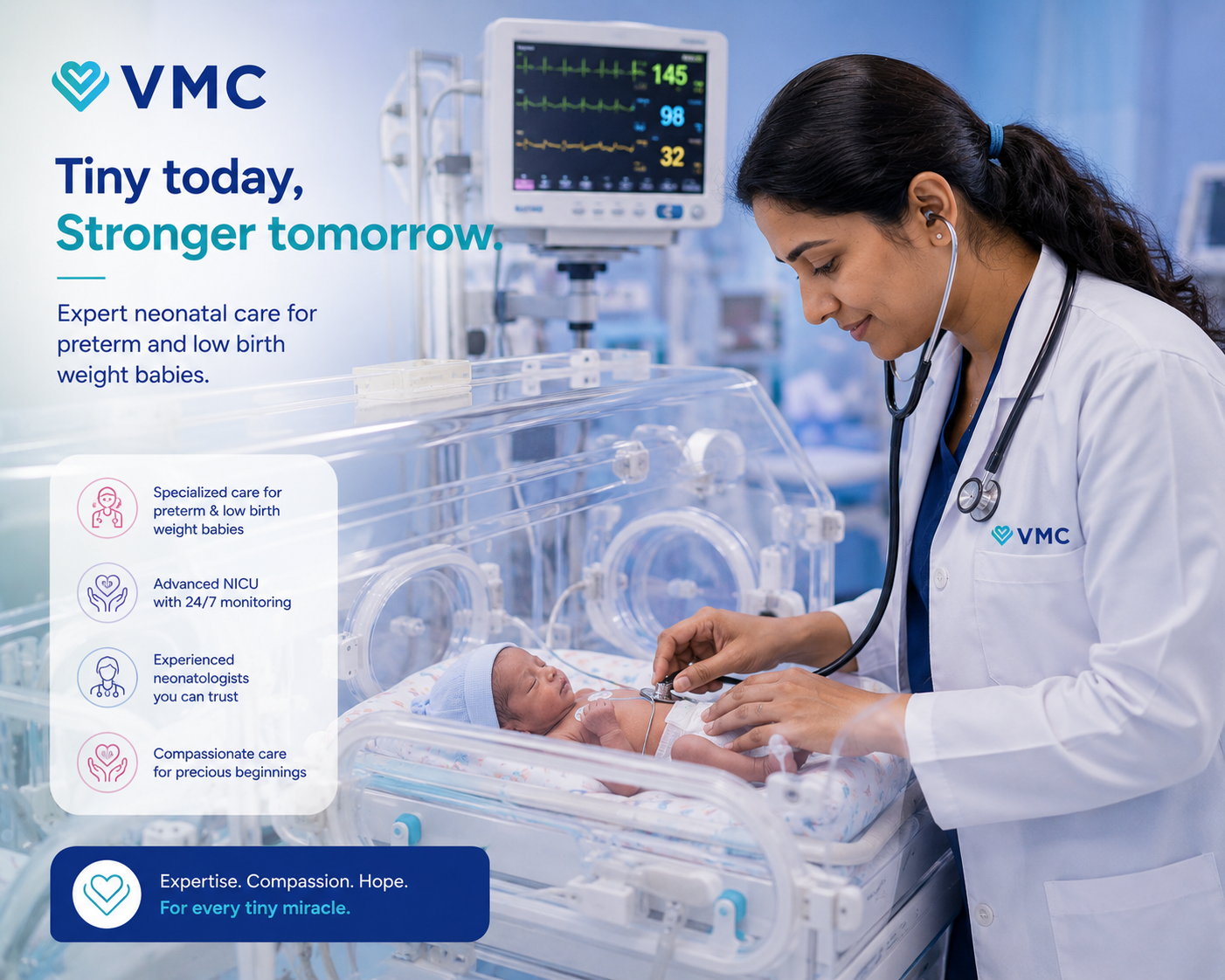
What Happens When a Baby Is Born with Low Birth Weight?
Aug 13 | 2026 Admin
A baby is considered to have low birth weight if they weigh less than 2.5 kg (5.5 lbs) at birth, regardless of how many weeks of pregnancy they completed. This can happen because the baby was born prematurely, didn't grow adequately in the womb, or b...
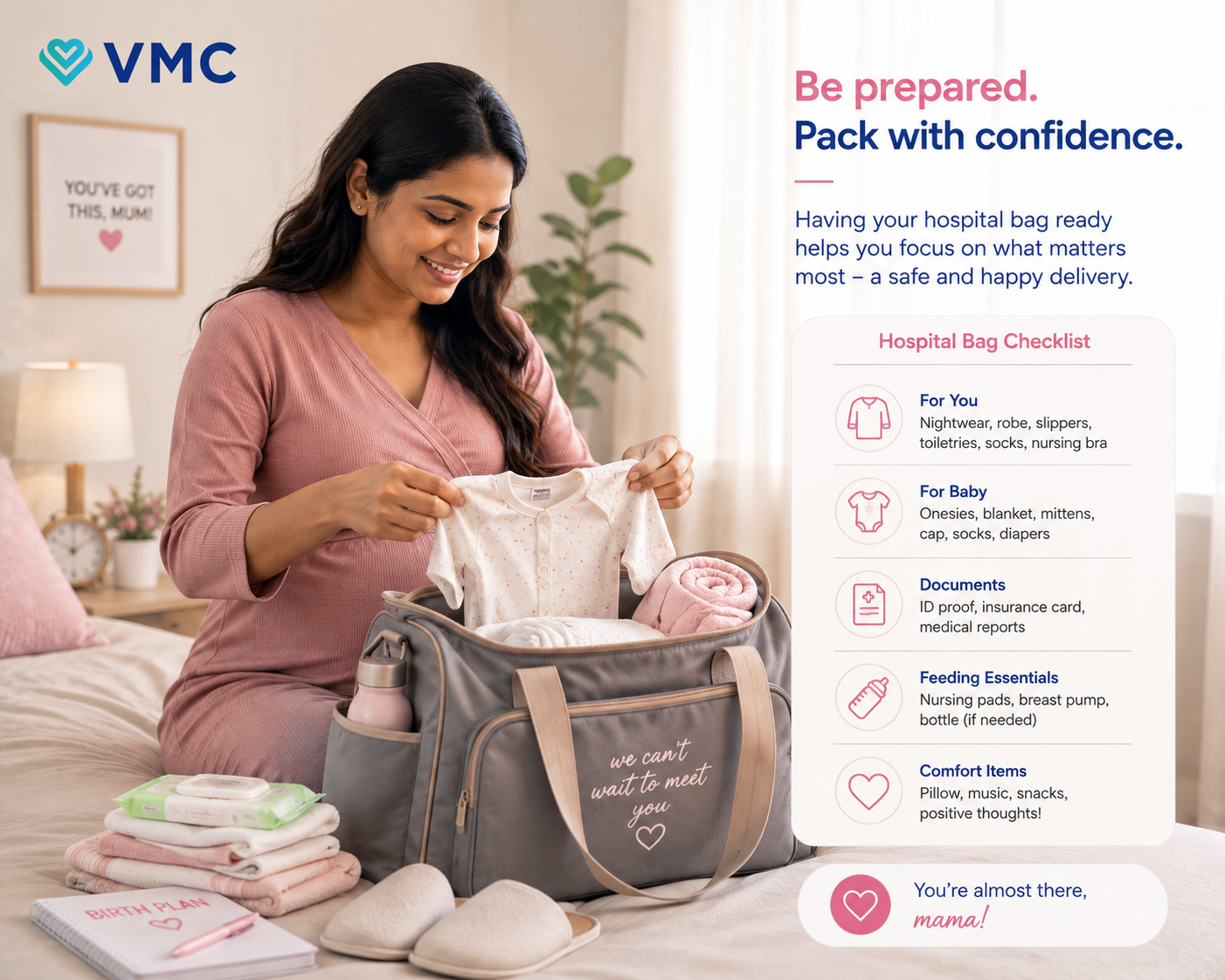
How to Prepare for Delivery: A Complete Checklist
Aug 12 | 2026 Admin
How Should You Prepare for Your Delivery? Preparing for delivery involves packing your hospital bag, finalizing your birth plan, understanding labor signs, and choosing the right maternity hospital well before your due date. Starting preparations...
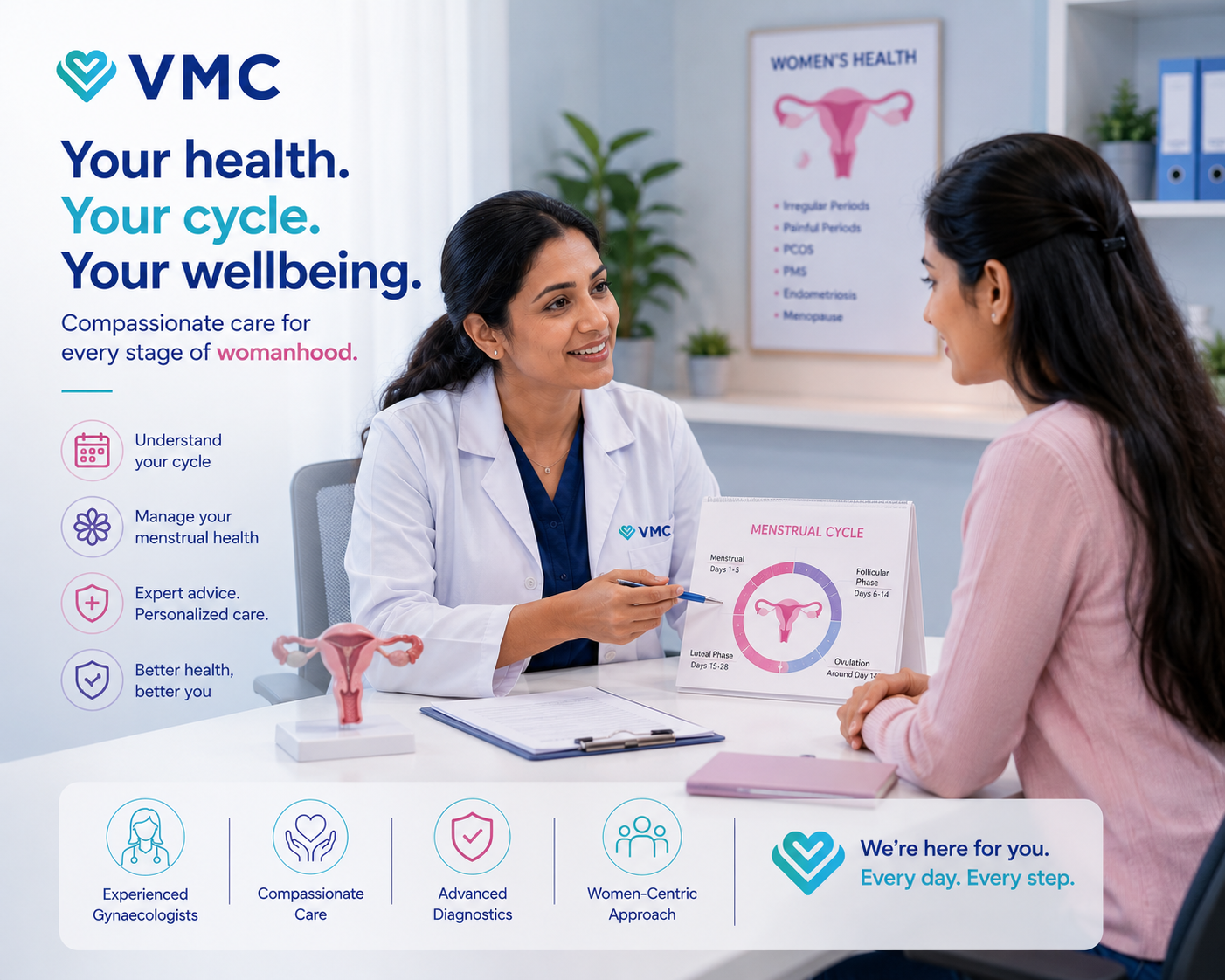
What Are the Common Causes of Irregular Periods?
Aug 11 | 2026 Admin
Irregular periods — cycles shorter than 21 days, longer than 35 days, or unpredictable in flow — are usually caused by hormonal imbalances, PCOS, thyroid disorders, stress, or lifestyle changes. Occasional irregularity is common and often...
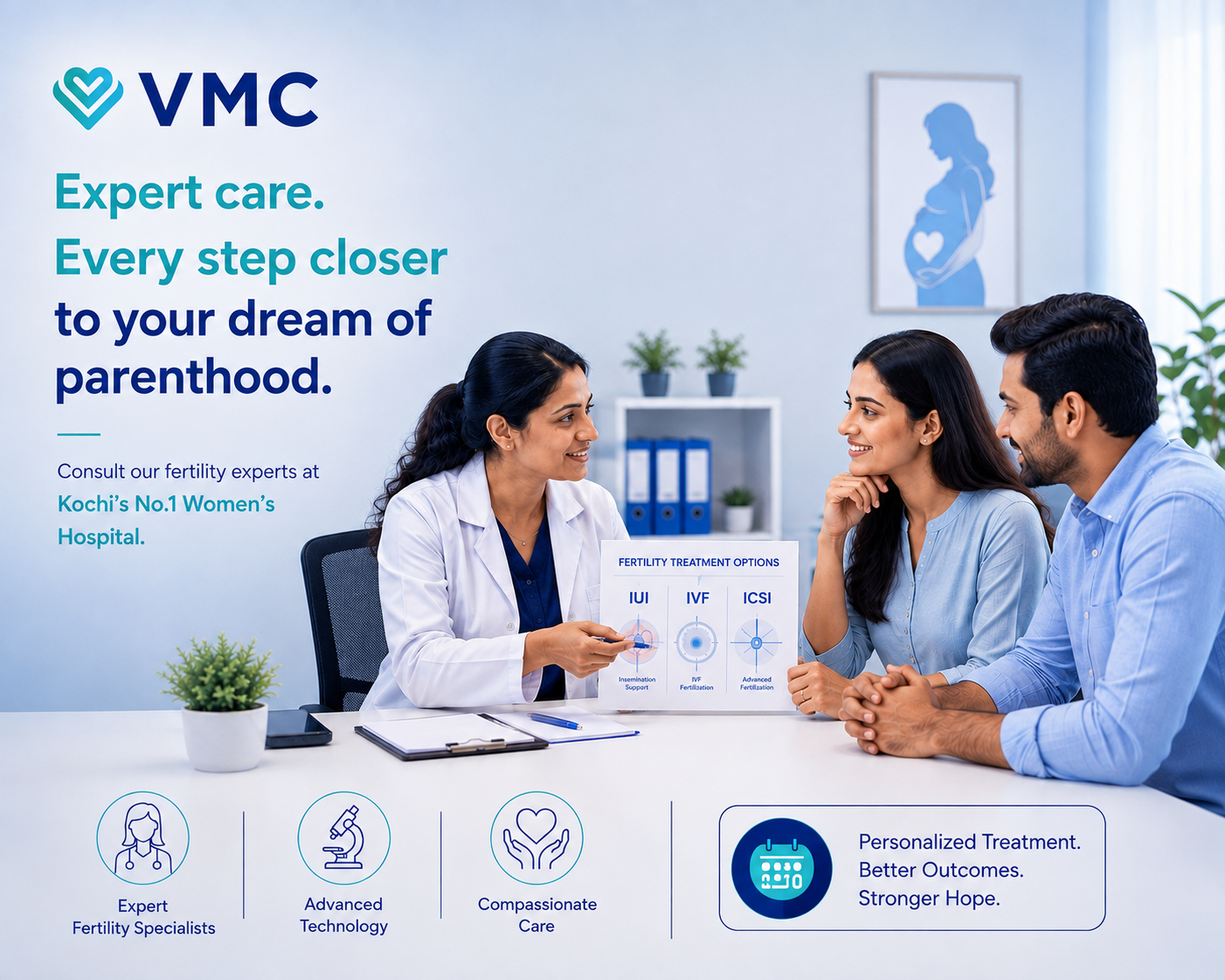
Why Am I Not Getting Pregnant? When Should You Seek Help?
Aug 10 | 2026 Admin
Why Am I Not Getting Pregnant? When Should You Seek Help? If you've been trying to conceive for months without success, you're not alone — and it doesn't automatically mean something is wrong. Most healthy couples under 35 should seek a fer...

A Beginner’s Guide to Endometriosis Surgery
Mar 05 | 2022 Admin
Endometriosis can be described as a health condition, where the type of tissue, which lines the uterus of a woman grows outside of it. However, the only way to determine if someone is suffering from this condition is to perform a surgery, which is ca...

What Is IVF and When It Should Be Considered
Jan 20 | 2022 Admin
Several experts in the field of health care have admitted that IVF treatment is far more successful when compared to other fertility treatments like intrauterine insemination. What makes IVF treatment different and better than intrauterine inseminati...

Vijayalakshmi Medical Centre (VMC Hospital),
33/ 1734 D,
Chakkaraparambu,
Near Hotel Holiday Inn,
NH Bypass, Vennala P O,
Kochi - 682028
+91 9946 932 600 | +91 9961 173 300
info@vmchospital.com


Terms of use |
Privacy Policy |
Contact us
© 2026 Vijayalakshmi Medical Centre. All Rights Reserved
Designed & Developed by Websoul Techserve