 +91 9961 173 300
 info@vmchospital.com

 +91 9961 173 300
 info@vmchospital.com

Blogs

What Are the First Signs of Menopause?
Aug 31 | 2026 Admin
The first signs of menopause typically include irregular periods, hot flashes, night sweats, mood changes, and sleep disturbances, usually starting in a woman's mid-to-late 40s during a phase called perimenopause. These changes can last several years before periods stop completely, and the pattern looks a little different for every woman. Here's what to expect, and how the team at the best gynaecology hospital in Kochi can help you manage it comfortably.
Who Experiences Early Menopause Symptoms?
The average age for menopause worldwide is around 51, but perimenopausal symptoms often begin years earlier. Certain factors can shift the timeline:
- Family history — if your mother or sisters went through early menopause, you may too
- Smoking — smokers tend to reach menopause slightly earlier than non-smokers
- Certain ovarian surgeries — including removal of one or both ovaries
- Cancer treatments — chemotherapy or radiation can trigger earlier menopause
- Autoimmune conditions — some are linked to earlier ovarian decline
Menopause before age 40 is considered premature and warrants a prompt evaluation, since it carries additional long-term health considerations around bone and heart health.
What Are the Common Early Symptoms?
Recognizing the early signs of menopause helps you understand what's a normal part of the transition and what might need a closer look.
Physical Symptoms
- Irregular periods — shorter, longer, heavier, or lighter than your usual pattern
- Hot flashes — sudden feelings of warmth, often spreading through the face and chest, sometimes with sweating
- Night sweats — hot flashes that occur during sleep, disrupting rest
- Vaginal dryness — leading to discomfort, including during intercourse
- Fatigue — persisting even with adequate sleep
- Joint aches — a lesser-known but fairly common symptom as estrogen declines
Emotional and Cognitive Symptoms
- Mood swings or increased irritability
- Difficulty concentrating, often described as "brain fog"
- Increased anxiety or, in some women, low mood
- Sleep disturbances beyond night sweats alone
Not every woman experiences every symptom, and severity varies widely — some sail through perimenopause with mild changes, while others find it significantly disruptive.
When Does Perimenopause Typically Begin?
Understanding the general timeline can help you know what's expected versus what might need medical attention:
- Early 40s to mid-40s — subtle changes in cycle length may be the first sign
- Mid-to-late 40s — more noticeable symptoms like hot flashes and mood changes typically appear
- Around 51 (average) — menopause is formally confirmed after 12 consecutive months without a period
- Before 40 — considered premature menopause and should be evaluated promptly, rather than assumed to be "just stress" or another cause
If your periods stop suddenly with no perimenopausal build-up, or if you experience symptoms before 40, it's worth getting checked rather than waiting it out.
Where to Seek Guidance for Menopause Symptoms
Managing menopause is far easier with the right medical support, particularly because some symptoms overlap with other conditions — thyroid issues, for instance, can mimic several menopause symptoms, and both can occur around the same age.
A gynaecologist can help distinguish normal perimenopausal changes from other underlying issues through a physical exam, hormone testing where needed, and a review of your full symptom picture — not just the most obvious complaint. From there, they can guide you through the full range of treatment options available. This is where consulting the best gynaecology hospital in Kochi makes a genuine difference — not just in symptom relief, but in longer-term health planning around bone density and cardiovascular risk, both of which shift after menopause.
Why These Symptoms Happen
Menopause symptoms stem from declining estrogen and progesterone production as the ovaries gradually reduce hormone output over several years. This hormonal shift affects far more than just the reproductive system — it influences temperature regulation, mood, sleep architecture, bone density, and vaginal tissue health, which is why symptoms can feel so wide-ranging and, at times, seemingly unconnected.
Understanding this "why" is often reassuring in itself — many women worry something is specifically wrong when in fact these are well-documented, expected effects of a natural hormonal transition.
How to Manage Menopause Symptoms
There's no single approach that works for everyone, but effective management usually combines several strategies:
- Lifestyle adjustments — regular exercise, a balanced diet, and limiting caffeine and alcohol, which can worsen hot flashes for some women
- Hormone therapy in Kochi — for moderate to severe symptoms, under medical supervision, tailored to individual risk factors
- Non-hormonal medications — for women who can't or prefer not to use hormone therapy, including certain antidepressants shown to help with hot flashes
- Vaginal moisturizers or localized treatments — specifically for dryness and related discomfort
- Stress management techniques — yoga, meditation, and consistent sleep hygiene, which can meaningfully ease mood-related symptoms
- Bone health monitoring — including calcium, vitamin D, and periodic bone density screening, since estrogen decline accelerates bone loss
Your gynaecologist will typically start with a detailed conversation about your symptoms, health history, and personal preferences before recommending a specific combination of these approaches.
Menopause vs. Perimenopause: What's the Difference?
These terms are often used interchangeably, but they describe different stages:
- Perimenopause is the transitional period leading up to menopause, when hormone levels fluctuate and symptoms first appear. This can last anywhere from a few months to over a decade.
- Menopause is a single point in time — officially reached after 12 consecutive months without a period.
- Postmenopause refers to all the years after that point, when symptoms often ease but certain health risks, like bone loss, continue to need attention.
Understanding which stage you're in helps set realistic expectations. Many women assume symptoms will resolve as soon as periods stop, but some — like vaginal dryness or sleep changes — can persist well into postmenopause and may need ongoing management.
Lifestyle Habits That Genuinely Help
Alongside medical treatment, certain everyday habits consistently make a measurable difference for many women:
- Layered clothing to manage sudden hot flashes without disrupting your day
- A cooler bedroom environment and breathable bedding to reduce night sweat disruption
- Regular weight-bearing exercise, such as walking or light strength training, to support bone density
- Consistent sleep and wake times, even when night sweats interrupt sleep
- Staying socially connected, since mood-related symptoms often ease with support from others going through the same transition
None of these replace medical care when symptoms are significant, but they can meaningfully reduce day-to-day discomfort alongside whatever treatment plan you and your doctor choose.
1. At what age do menopause symptoms usually start?
Most women notice early perimenopausal symptoms in their mid-to-late 40s, though the exact timing varies significantly by individual.
2. How long does perimenopause last?
It can last anywhere from a few months to several years before periods stop completely and menopause is formally reached.
3. Is it normal to have very heavy periods during perimenopause?
Some change in flow is common, but unusually heavy bleeding should still be evaluated to rule out fibroids, polyps, or other causes.
4. Does menopause affect bone health?
Yes. Declining estrogen can accelerate bone density loss after menopause, which is why screening for osteoporosis becomes more important during this stage.
5. Is hormone therapy safe?
For many women, hormone therapy is safe and effective when appropriately prescribed, but it should always be discussed individually with your doctor based on your personal and family health history.
6. Can menopause symptoms come back after they seem to ease?
Occasionally, yes — stress, illness, or other hormonal shifts can temporarily bring back symptoms like hot flashes even after they've settled, though this usually passes without needing a change in treatment.
Conclusion
Menopause is a natural transition, not a medical problem to be endured silently — but you don't have to navigate the symptoms alone. Recognizing the early signs allows you to seek support sooner, manage discomfort effectively, and protect your long-term health along the way.
If symptoms are disrupting your daily life, or if you're simply unsure whether what you're experiencing is perimenopause, a consultation with a gynaecologist at the best gynaecology hospital in Kochi can help you find clarity and a management plan that fits your needs.
Breast Self-Exam: How To Check for Breast Lumps and Changes
Oct 08 | 2026 Admin
Breast cancer is the most common cancer among women in India, according to Globocan 2022 data from the International Agency for Research on Cancer, which is why knowing your own breasts matters. Yet few of us were ever shown how to do a breast self e...
When to Get a Mammogram? A Complete Guide
Sep 30 | 2026 Admin
If you're a woman in your 30s or 40s wondering exactly when to get a mammogram, you're asking one of the most searched - and most inconsistently answered - questions in women's health. Mammogram guidelines vary by age, family history, and individual ...
Best Age to Freeze Eggs: A Complete Guide
Sep 29 | 2026 Admin
If you're a woman in your early 30s wondering whether now is the right time, you're asking the single most common question our Social Freezing team hears: what's the best age to freeze eggs? It's a fair question -egg freezing works best when timed co...

What Is Secondary Infertility?
Sep 28 | 2026 Admin
You've already had one child - so why is it suddenly so hard to conceive again? Secondary infertility catches many couples off guard, and it's more common than most people realize: some clinical estimates suggest it accounts for roughly half of all i...
Diabetes During Pregnancy: Risks, Signs & Care Guide
Sep 25 | 2026 Admin
Nearly 1 in 6 pregnancies worldwide is affected by some form of high blood sugar, according to the International Diabetes Federation (2021) -and India has one of the highest rates globally. If you're pregnant and wondering whether diabetes during pre...

Normal Delivery vs C-Section: Which Is Better?
Sep 24 | 2026 Admin
Nearly every expecting mother in India eventually asks some version of the same question: normal delivery vs C-section - which is better? It's a fair question - both delivery methods carry different risks and benefits, and the "right" answe...

What Is Gestational Diabetes?
Sep 18 | 2026 Admin
If your doctor recently mentioned a glucose tolerance test, or a friend casually said "I had gestational diabetes" during her pregnancy, you're probably wondering exactly what that means for you. It's a fair question - gestational diabetes ...

Male Infertility: Causes, Signs & Treatment Guide
Sep 17 | 2026 Admin
Male factors are involved in roughly 40–50% of all infertility cases worldwide, according to the World Health Organization (2023) - yet when a couple struggles to conceive, the conversation still tends to focus almost entirely on the woman. If ...

What Are the Early Signs of Breast Cancer? A Kochi Doctor Explains
Sep 16 | 2026 Admin
Nearly 1 in 28 Indian women will develop breast cancer in her lifetime, and early detection can push five-year survival rates above 90%.* Yet many women delay a check-up simply because they don't know what the early signs of breast cancer actually lo...
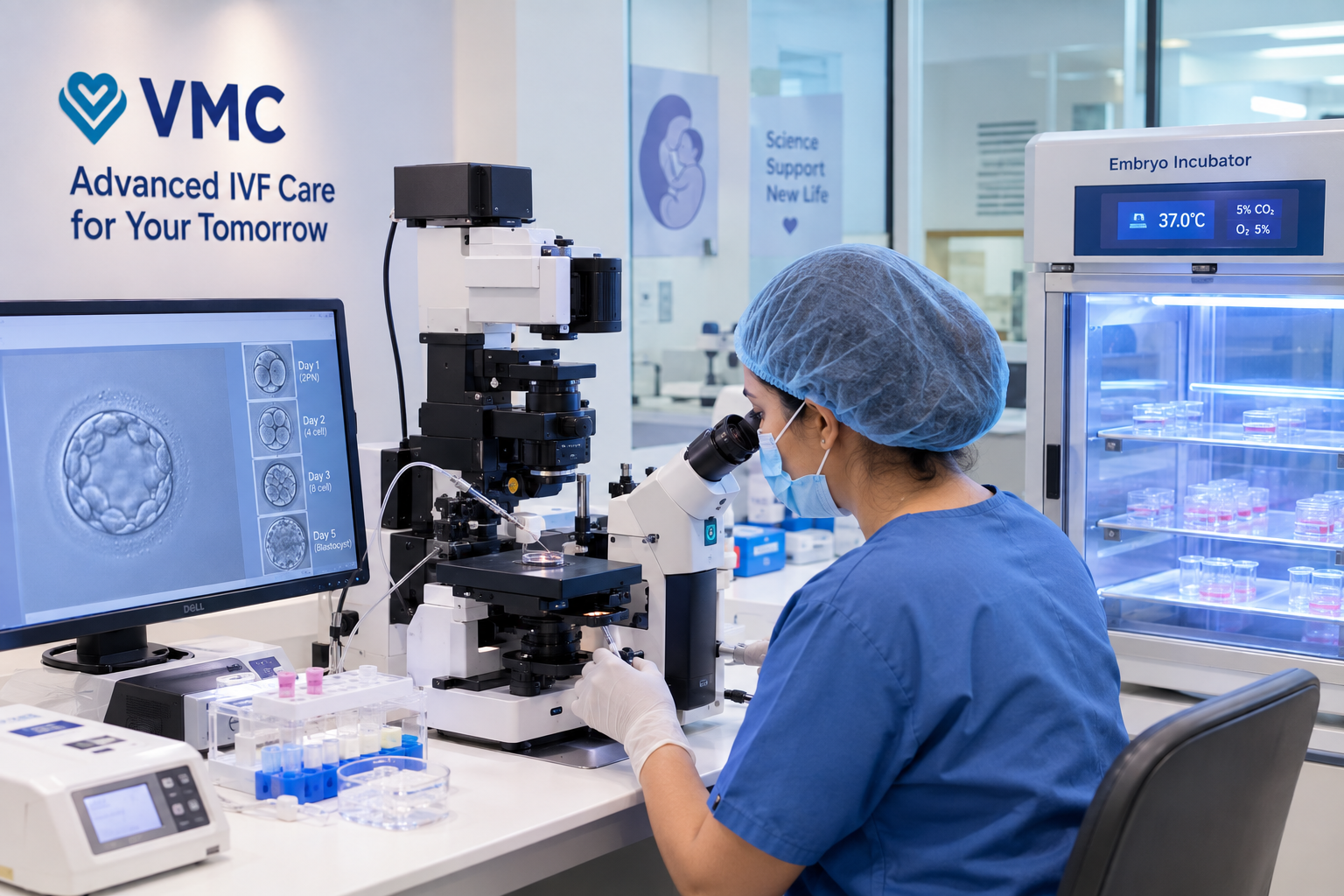
IUI vs IVF: What's the Real Difference?
Sep 15 | 2026 Admin
Nearly 1 in 6 couples worldwide experience infertility at some point in their reproductive lives, according to the World Health Organization (2023)-and for many of them, the first big decision isn't whether to seek treatment, but which treatment to s...
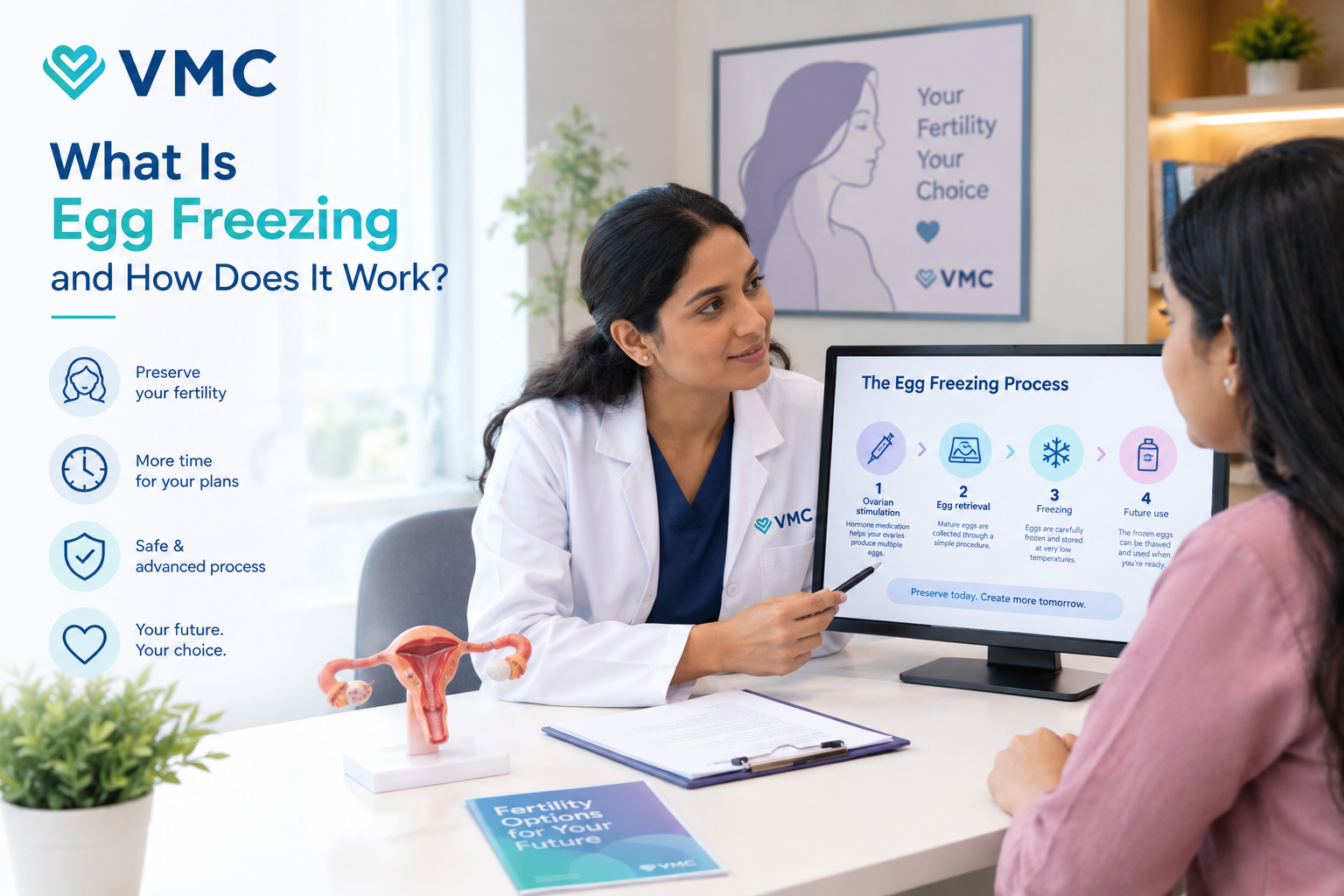
What Is Egg Freezing and How Does It Work?
Sep 14 | 2026 Admin
Maybe you're focused on your career, haven't found the right partner yet, or simply aren't ready for children right now - but you'd still like the option to have a biological child later. Egg freezing exists exactly for this reason, and it's one of t...
What Women's Health Warning Signs Should You Never Ignore?
Aug 31 | 2026 Admin
Certain symptoms — like unusual bleeding, persistent pelvic pain, unexplained weight changes, or new lumps — should never be brushed off as "probably nothing." While many symptoms turn out to be minor, some are ...
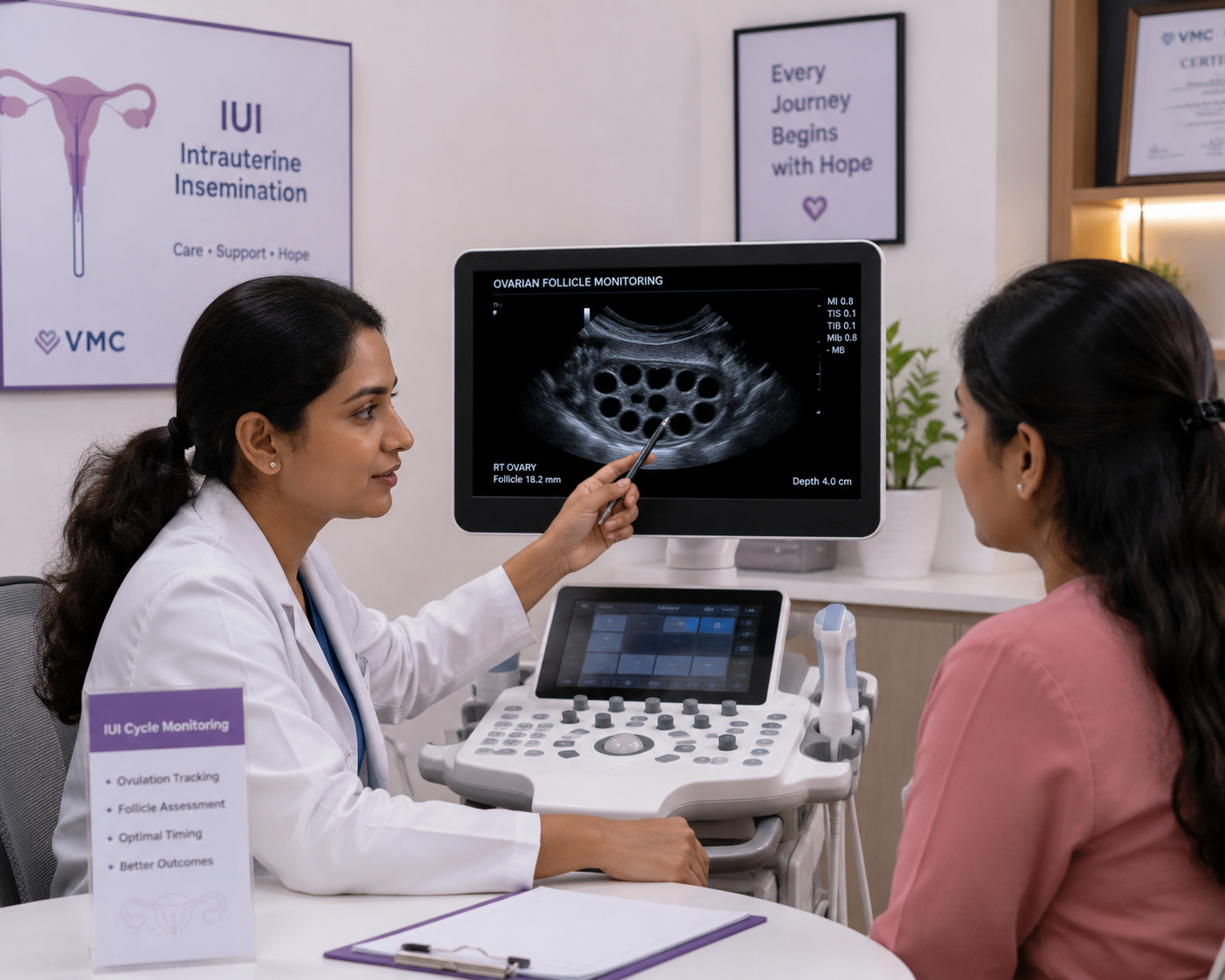
What Is IUI? A Simpler First Step Before IVF
Aug 31 | 2026 Admin
IUI, or Intrauterine Insemination, is a fertility treatment where specially prepared sperm is placed directly into the uterus around the time of ovulation, giving sperm a shorter distance to travel and a better chance of reaching the egg. It's simple...

What Should Parents Know Before Taking a Premature Baby Home?
Aug 29 | 2026 Admin
What Should Parents Know Before Taking a Premature Baby Home? Before taking a premature baby home, parents should confirm the baby maintains a stable body temperature, feeds well, has steady weight gain, and shows no breathing concerns — th...

Is Anesthesia Safe? What Patients Should Know Before Surgery
Aug 28 | 2026 Admin
Is Anaesthesia Safe? What Patients Should Know Before Surgery Yes, modern anaesthesia is very safe for the vast majority of patients, thanks to advanced monitoring technology and standardized safety protocols developed over decades of clinical pr...
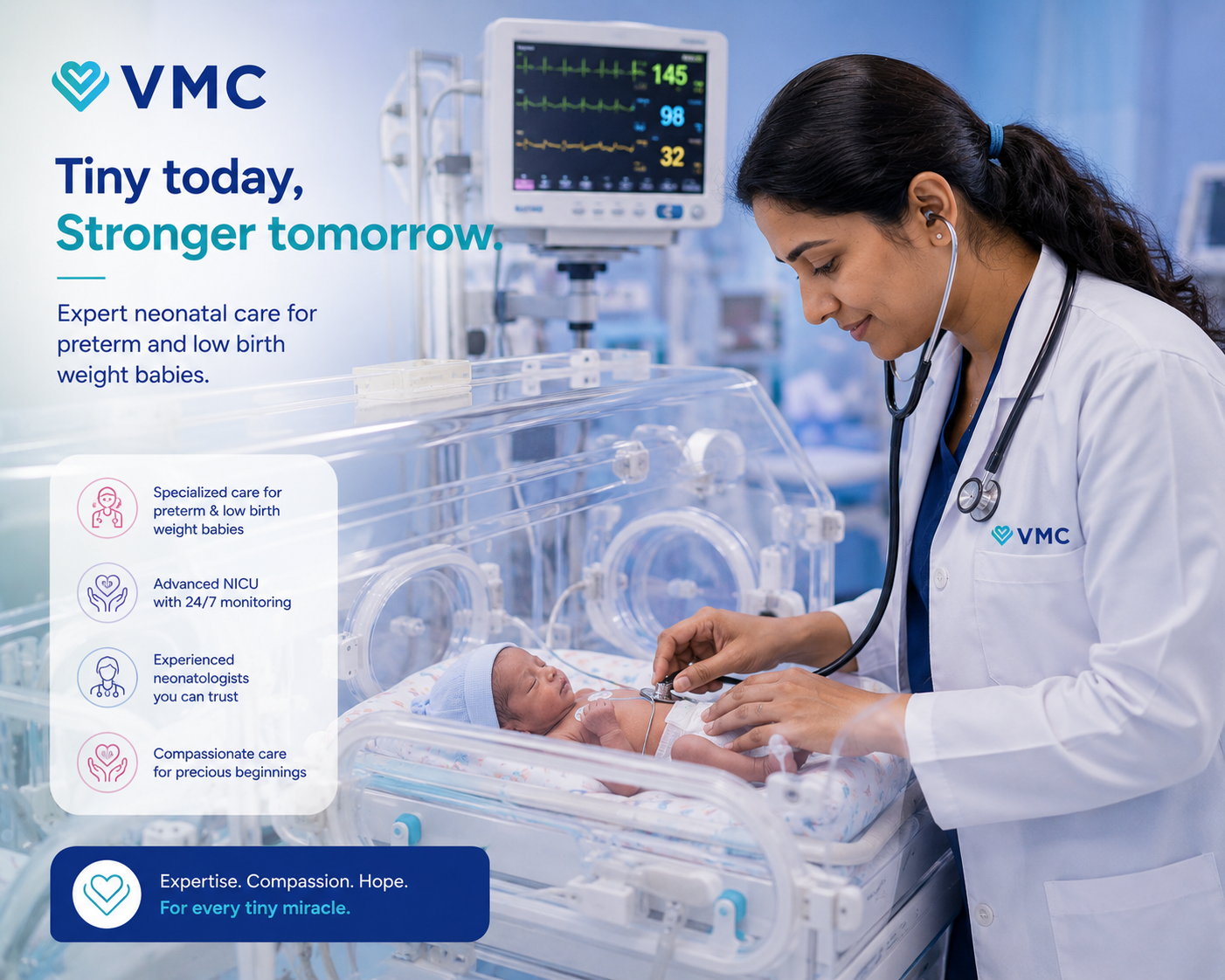
What Happens When a Baby Is Born with Low Birth Weight?
Aug 13 | 2026 Admin
A baby is considered to have low birth weight if they weigh less than 2.5 kg (5.5 lbs) at birth, regardless of how many weeks of pregnancy they completed. This can happen because the baby was born prematurely, didn't grow adequately in the womb, or b...

How to Prepare for Delivery: A Complete Checklist
Aug 12 | 2026 Admin
How Should You Prepare for Your Delivery? Preparing for delivery involves packing your hospital bag, finalizing your birth plan, understanding labor signs, and choosing the right maternity hospital well before your due date. Starting preparations...
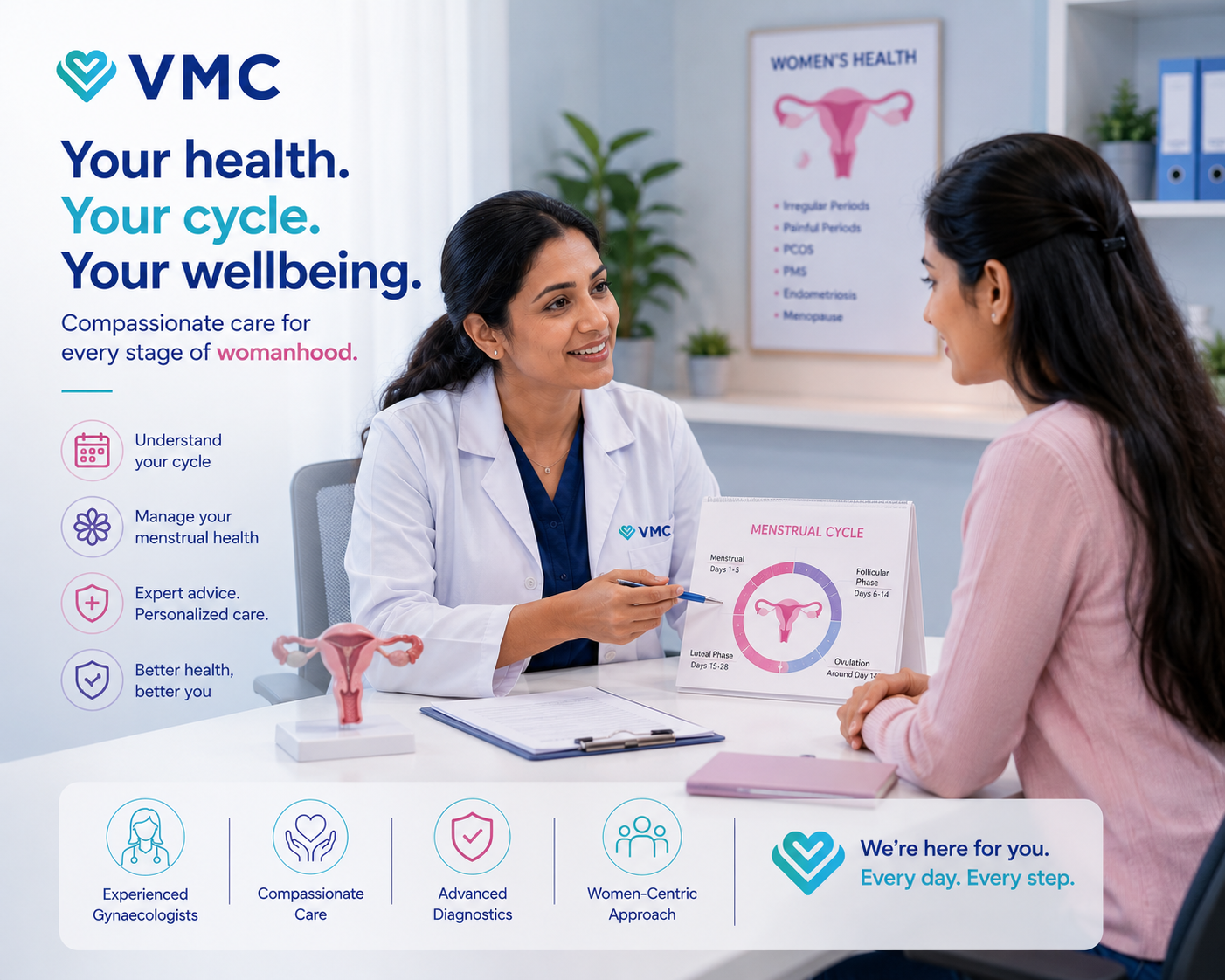
What Are the Common Causes of Irregular Periods?
Aug 11 | 2026 Admin
Irregular periods — cycles shorter than 21 days, longer than 35 days, or unpredictable in flow — are usually caused by hormonal imbalances, PCOS, thyroid disorders, stress, or lifestyle changes. Occasional irregularity is common and often...

Why Am I Not Getting Pregnant? When Should You Seek Help?
Aug 10 | 2026 Admin
Why Am I Not Getting Pregnant? When Should You Seek Help? If you've been trying to conceive for months without success, you're not alone — and it doesn't automatically mean something is wrong. Most healthy couples under 35 should seek a fer...

A Beginner’s Guide to Endometriosis Surgery
Mar 05 | 2022 Admin
Endometriosis can be described as a health condition, where the type of tissue, which lines the uterus of a woman grows outside of it. However, the only way to determine if someone is suffering from this condition is to perform a surgery, which is ca...
What Is IVF and When It Should Be Considered
Jan 20 | 2022 Admin
Several experts in the field of health care have admitted that IVF treatment is far more successful when compared to other fertility treatments like intrauterine insemination. What makes IVF treatment different and better than intrauterine inseminati...

Vijayalakshmi Medical Centre (VMC Hospital),
33/ 1734 D,
Chakkaraparambu,
Near Hotel Holiday Inn,
NH Bypass, Vennala P O,
Kochi - 682028
+91 9946 932 600 | +91 9961 173 300
info@vmchospital.com


Terms of use |
Privacy Policy |
Contact us
© 2026 Vijayalakshmi Medical Centre. All Rights Reserved
Designed & Developed by Websoul Techserve