 +91 9961 173 300
 info@vmchospital.com

 +91 9961 173 300
 info@vmchospital.com

Blogs

Is Anesthesia Safe? What Patients Should Know Before Surgery
Aug 28 | 2026 Admin
Is Anaesthesia Safe? What Patients Should Know Before Surgery
Yes, modern anaesthesia is very safe for the vast majority of patients, thanks to advanced monitoring technology and standardized safety protocols developed over decades of clinical practice. Serious complications are rare, and anaesthesiologists carefully tailor the type and dosage to each patient's individual health profile before every single procedure. Still, understanding how it actually works can ease pre-surgery anxiety considerably — here's what you should know, from the anaesthesiologists at Kochi's No.1 Women's Hospital.
Who Administers Anaesthesia?
Anaesthesia is given and continuously monitored by a qualified anaesthesiologist — a physician specially trained, beyond general medical school, specifically to:
- Assess your overall health before surgery, including reviewing your full medical history
- Choose the safest anaesthesia type and dosage for your specific procedure
- Monitor vital signs continuously throughout every stage of surgery
Manage pain control and recovery immediately afterward, in coordination with your surgical team
This is a distinct medical specialty in its own right, not simply an extension of the surgical team — anaesthesiologists complete dedicated residency training focused entirely on this area of medicine.
What Are the Types of Anaesthesia?
Understanding the different types of anaesthesia can help you feel more prepared for your specific procedure, since not every surgery requires the same approach:
- General anaesthesia — induces complete unconsciousness, typically used for major or lengthy surgeries where the patient needs to be entirely still and unaware
- Regional anaesthesia — numbs a larger area of the body, such as spinal or epidural anaesthesia, while you remain conscious throughout the procedure
- Local anaesthesia — numbs a small, specific area for minor procedures, often without any sedation involved
- Sedation ("twilight anaesthesia") — creates a relaxed, drowsy state for less invasive procedures, where you may be partially aware but comfortable and pain-free
Your anaesthesiologist will recommend the safest and most appropriate option based on your specific procedure, overall health, and any prior anaesthesia history.
When Should You Discuss Anaesthesia Concerns?
Raise questions and concerns during your pre-surgery anaesthesia consultation, which typically happens:
- A few days before elective, planned surgery, giving time to review your history in detail
- Right before emergency procedures, when time allows for at least a brief assessment
This is the right time to mention:
- Any allergies or previous reactions to anaesthesia, even if they seemed minor
- Current medications and supplements, including anything over-the-counter
- Chronic conditions affecting the heart, lungs, or kidneys
- Family history of anaesthesia complications, since some reactions have a genetic component
- Any history of difficulty with breathing tubes or airway management in prior surgeries
Being thorough here, even about details that feel unimportant, genuinely helps your anaesthesiologist plan for the safest possible approach.
Where Safety Measures Are Built Into Modern Care
Modern operating rooms use continuous monitoring of heart rate, oxygen levels, blood pressure, and breathing throughout the entire procedure, with equipment specifically designed to flag any deviation immediately. Combined with standardized protocols and experienced anaesthesiology teams, this significantly reduces risk — one reason it's so important to choose a hospital with a dedicated, board-certified anaesthesiology department, such as the team at Kochi's No.1 Women's Hospital.
Beyond the operating room itself, recovery areas are similarly equipped with monitoring to track how patients emerge from anaesthesia, ensuring any unusual reaction is caught and managed quickly by trained staff.
Why Anaesthesia Carries Some Risk — and Why It's Usually Minimal
Like any medical intervention, anaesthesia carries some inherent risk — but serious complications remain rare in otherwise healthy patients undergoing routine procedures. A few factors that may slightly increase individual risk include:
- Advanced age
- Obesity
- Chronic heart or lung conditions
- Smoking
Sleep apnea, which can affect airway management during and after surgery
Your anaesthesiologist accounts for all of these factors when planning your specific care, often with extra precautions, additional monitoring, or a modified approach designed around your individual risk profile — rather than a one-size-fits-all protocol applied to every patient regardless of history.
How to Prepare for Anaesthesia Safely
A few simple steps make a meaningful difference in how smoothly your anaesthesia and recovery go:
- Follow fasting instructions precisely — typically no food or drink for a set period before surgery, since an empty stomach reduces certain risks during anaesthesia
- Disclose your full medical history, including all medications, supplements, and any recreational substance use, even if it feels uncomfortable to mention
- Avoid alcohol and smoking in the days leading up to surgery wherever possible, since both can affect how your body responds to anaesthesia
- Arrange for someone to accompany you home, as anaesthesia effects — particularly with sedation or general anaesthesia — can linger well after the procedure ends
- Ask questions — a good anaesthesiologist will walk you through the plan clearly and welcome any concerns you raise, no matter how small they seem
What Happens During Recovery From Anaesthesia
Understanding recovery helps set realistic expectations for the hours after your procedure:
- Immediate recovery happens in a monitored area, where staff track your vital signs as the anaesthesia wears of
- Grogginess, mild confusion, or nausea are common in the first hour or two and generally resolve on their own
- Pain management begins promptly as sensation returns, coordinated between your anaesthesiologist and surgical team
- Full alertness typically returns within a few hours for most patients, though some grogginess can linger for the rest of the day, especially after general anaesthesia
Common Myths About Anaesthesia, Addressed
Several persistent myths tend to fuel unnecessary anxiety before surgery. A few worth clearing up:
- "You might wake up during surgery" — this is extremely rare with modern monitoring, which continuously tracks brain activity and anaesthesia depth to prevent exactly this
- "General anaesthesia affects your memory long-term" — for most healthy patients, any memory or cognitive effects are temporary and resolve within days; long-term cognitive changes are uncommon and typically linked to other risk factors, not anaesthesia alone
- "Older patients can't safely receive anaesthesia" — age alone isn't a barrier; anaesthesiologists simply adjust their approach and monitoring based on overall health rather than age in isolation
- "You need to be completely healthy to have anaesthesia" — patients with chronic conditions undergo anaesthesia safely every day, with appropriate precautions built directly into the plan rather than being turned away
Addressing these misconceptions directly with your anaesthesiologist during your pre-surgery consultation is often the fastest way to ease genuine anxiety. Most patients find that once they understand the actual process — rather than relying on secondhand stories or outdated information — much of the fear naturally subsides well before surgery day arrives.
Frequently Asked Questions
1. Will I feel pain during surgery under general anaesthesia?
No, general anaesthesia ensures you're completely unconscious and pain-free throughout the entire procedure.
2. How long does it take to recover from anaesthesia?
Most patients feel alert within a few hours, though grogginess and mild fatigue can linger for the rest of the day.
3. Can I eat before surgery?
No — fasting guidelines, usually 6–8 hours, must be followed precisely to reduce risk during anaesthesia.
4. Is regional anaesthesia safer than general anaesthesia?
Both are safe when appropriately used for the right procedure; the right choice depends on your specific surgery and health profile, not a general safety ranking between the two.
5. What if I've had a bad reaction to anaesthesia before?
Tell your anaesthesiologist immediately during your pre-surgery consultation — they can adjust the anaesthesia plan and take specific extra precautions based on your history.
6. Can children safely receive anaesthesia?
Yes, paediatric anaesthesia is a well-established specialty with protocols specifically adapted for children's smaller size, different physiology, and unique monitoring needs.
7. Does having a higher BMI make anaesthesia riskier?
It can slightly increase certain risks, such as airway management difficulty, but anaesthesiologists routinely plan around this with adjusted techniques and closer monitoring, so it rarely prevents someone from safely undergoing a needed procedure.
Conclusion
Anaesthesia has an excellent safety record, especially with today's monitoring technology and trained specialists guiding every step of the process. Being open with your care team about your health history remains the single best way to ensure your procedure — and your anaesthesia — goes smoothly from start to finish.At Kochi's No.1 Women's Hospital, our anaesthesiology team is with you from your initial consultation through full recovery, making sure you feel informed and supported at every stage.

Breast Self-Exam: How To Check for Breast Lumps and Changes
Oct 08 | 2026 Admin
Breast cancer is the most common cancer among women in India, according to Globocan 2022 data from the International Agency for Research on Cancer, which is why knowing your own breasts matters. Yet few of us were ever shown how to do a breast self e...

When to Get a Mammogram? A Complete Guide
Sep 30 | 2026 Admin
If you're a woman in your 30s or 40s wondering exactly when to get a mammogram, you're asking one of the most searched - and most inconsistently answered - questions in women's health. Mammogram guidelines vary by age, family history, and individual ...

Best Age to Freeze Eggs: A Complete Guide
Sep 29 | 2026 Admin
If you're a woman in your early 30s wondering whether now is the right time, you're asking the single most common question our Social Freezing team hears: what's the best age to freeze eggs? It's a fair question -egg freezing works best when timed co...

What Is Secondary Infertility?
Sep 28 | 2026 Admin
You've already had one child - so why is it suddenly so hard to conceive again? Secondary infertility catches many couples off guard, and it's more common than most people realize: some clinical estimates suggest it accounts for roughly half of all i...

Diabetes During Pregnancy: Risks, Signs & Care Guide
Sep 25 | 2026 Admin
Nearly 1 in 6 pregnancies worldwide is affected by some form of high blood sugar, according to the International Diabetes Federation (2021) -and India has one of the highest rates globally. If you're pregnant and wondering whether diabetes during pre...

Normal Delivery vs C-Section: Which Is Better?
Sep 24 | 2026 Admin
Nearly every expecting mother in India eventually asks some version of the same question: normal delivery vs C-section - which is better? It's a fair question - both delivery methods carry different risks and benefits, and the "right" answe...

What Is Gestational Diabetes?
Sep 18 | 2026 Admin
If your doctor recently mentioned a glucose tolerance test, or a friend casually said "I had gestational diabetes" during her pregnancy, you're probably wondering exactly what that means for you. It's a fair question - gestational diabetes ...

Male Infertility: Causes, Signs & Treatment Guide
Sep 17 | 2026 Admin
Male factors are involved in roughly 40–50% of all infertility cases worldwide, according to the World Health Organization (2023) - yet when a couple struggles to conceive, the conversation still tends to focus almost entirely on the woman. If ...

What Are the Early Signs of Breast Cancer? A Kochi Doctor Explains
Sep 16 | 2026 Admin
Nearly 1 in 28 Indian women will develop breast cancer in her lifetime, and early detection can push five-year survival rates above 90%.* Yet many women delay a check-up simply because they don't know what the early signs of breast cancer actually lo...

IUI vs IVF: What's the Real Difference?
Sep 15 | 2026 Admin
Nearly 1 in 6 couples worldwide experience infertility at some point in their reproductive lives, according to the World Health Organization (2023)-and for many of them, the first big decision isn't whether to seek treatment, but which treatment to s...

What Is Egg Freezing and How Does It Work?
Sep 14 | 2026 Admin
Maybe you're focused on your career, haven't found the right partner yet, or simply aren't ready for children right now - but you'd still like the option to have a biological child later. Egg freezing exists exactly for this reason, and it's one of t...

What Women's Health Warning Signs Should You Never Ignore?
Aug 31 | 2026 Admin
Certain symptoms — like unusual bleeding, persistent pelvic pain, unexplained weight changes, or new lumps — should never be brushed off as "probably nothing." While many symptoms turn out to be minor, some are ...

What Are the First Signs of Menopause?
Aug 31 | 2026 Admin
The first signs of menopause typically include irregular periods, hot flashes, night sweats, mood changes, and sleep disturbances, usually starting in a woman's mid-to-late 40s during a phase called perimenopause. These changes can last several years...
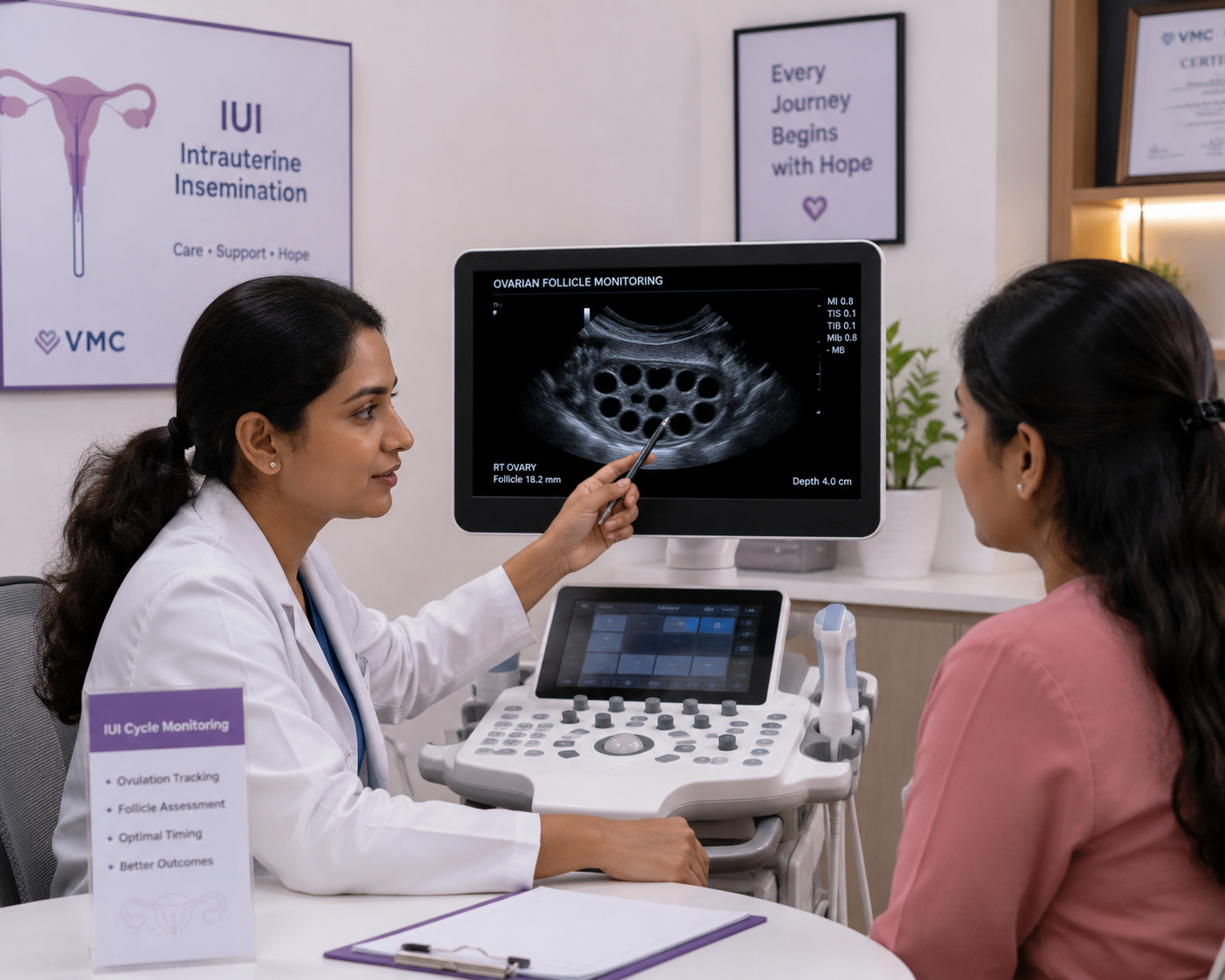
What Is IUI? A Simpler First Step Before IVF
Aug 31 | 2026 Admin
IUI, or Intrauterine Insemination, is a fertility treatment where specially prepared sperm is placed directly into the uterus around the time of ovulation, giving sperm a shorter distance to travel and a better chance of reaching the egg. It's simple...

What Should Parents Know Before Taking a Premature Baby Home?
Aug 29 | 2026 Admin
What Should Parents Know Before Taking a Premature Baby Home? Before taking a premature baby home, parents should confirm the baby maintains a stable body temperature, feeds well, has steady weight gain, and shows no breathing concerns — th...

What Happens When a Baby Is Born with Low Birth Weight?
Aug 13 | 2026 Admin
A baby is considered to have low birth weight if they weigh less than 2.5 kg (5.5 lbs) at birth, regardless of how many weeks of pregnancy they completed. This can happen because the baby was born prematurely, didn't grow adequately in the womb, or b...

How to Prepare for Delivery: A Complete Checklist
Aug 12 | 2026 Admin
How Should You Prepare for Your Delivery? Preparing for delivery involves packing your hospital bag, finalizing your birth plan, understanding labor signs, and choosing the right maternity hospital well before your due date. Starting preparations...

What Are the Common Causes of Irregular Periods?
Aug 11 | 2026 Admin
Irregular periods — cycles shorter than 21 days, longer than 35 days, or unpredictable in flow — are usually caused by hormonal imbalances, PCOS, thyroid disorders, stress, or lifestyle changes. Occasional irregularity is common and often...

Why Am I Not Getting Pregnant? When Should You Seek Help?
Aug 10 | 2026 Admin
Why Am I Not Getting Pregnant? When Should You Seek Help? If you've been trying to conceive for months without success, you're not alone — and it doesn't automatically mean something is wrong. Most healthy couples under 35 should seek a fer...

A Beginner’s Guide to Endometriosis Surgery
Mar 05 | 2022 Admin
Endometriosis can be described as a health condition, where the type of tissue, which lines the uterus of a woman grows outside of it. However, the only way to determine if someone is suffering from this condition is to perform a surgery, which is ca...

What Is IVF and When It Should Be Considered
Jan 20 | 2022 Admin
Several experts in the field of health care have admitted that IVF treatment is far more successful when compared to other fertility treatments like intrauterine insemination. What makes IVF treatment different and better than intrauterine inseminati...

Vijayalakshmi Medical Centre (VMC Hospital),
33/ 1734 D,
Chakkaraparambu,
Near Hotel Holiday Inn,
NH Bypass, Vennala P O,
Kochi - 682028
+91 9946 932 600 | +91 9961 173 300
info@vmchospital.com


Terms of use |
Privacy Policy |
Contact us
© 2026 Vijayalakshmi Medical Centre. All Rights Reserved
Designed & Developed by Websoul Techserve